
I remember sitting in a bustling, sun-drenched piazza in Florence during my final year as a tour guide, the air thick with the scent of espresso and the relentless roar of a thousand overlapping conversations. While my colleagues were busy networking, I felt my internal battery hitting zero, that familiar, heavy ache that tells you it’s time to vanish. There is this exhausting, widespread myth that if you aren’t constantly “out there” engaging with the world, you’re somehow failing at life or slipping into loneliness. But let’s be honest: the real struggle isn’t about being antisocial, it’s figuring out how introverts recharge without isolating themselves from the very magic they came to find.
I’m not here to give you a lecture on “socializing better” or suggest expensive wellness retreats that feel more like chores. Instead, I want to share the gentle, soulful strategies I’ve gathered from years of navigating crowded European streets and quiet, tucked-away corners. I promise to offer you honest, experience-based wisdom on how to find those small, sacred pockets of peace that allow you to stay connected to the world without feeling like you’re being swallowed whole by it.
Mastering Social Battery Management for Introverts
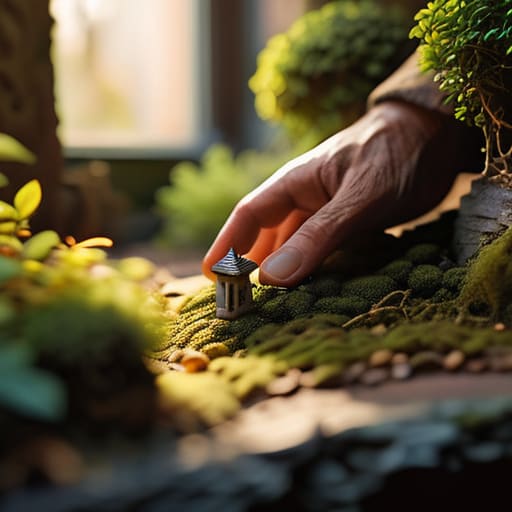
I often think of our energy like a vintage map—it has specific routes it can travel before the edges start to fray. When I was guiding groups through the bustling markets of Florence, I learned firsthand that effective social battery management for introverts isn’t about saying “no” to the world, but about knowing when to say “not right now.” It’s about recognizing that subtle tug in your chest that whispers you’ve reached your limit. Instead of pushing through until you’re completely spent, try to treat your energy as a precious resource, much like the delicate miniatures I use in my dioramas.
One of my favorite introvert social wellness strategies is to build in “micro-retreats” throughout your day. If you’re exploring a new city, this might mean ducking into a quiet, sun-drenched library or a tiny courtyard cafe for twenty minutes of stillness. By practicing these small moments of reprieve, you aren’t withdrawing from the adventure; you are simply preventing social burnout so you can return to the cobblestone streets with a renewed sense of wonder.
Low Stimulation Activities for Recharging Your Soul
Sometimes, the best way to find yourself again isn’t by retreating behind a locked door, but by choosing environments that whisper rather than shout. I often think of this like browsing a quiet, sun-drenched bookstore in a sleepy corner of Prague; you are out in the world, yet the atmosphere is a gentle embrace. Engaging in low stimulation activities for recharging—like sketching a lonely fountain in a courtyard or simply people-watching from a tucked-away café window—allows you to remain part of the world’s rhythm without feeling overwhelmed by its tempo.
It’s about finding that sweet spot of quiet engagement. Instead of a loud, crowded museum tour, perhaps you wander through a botanical garden or spend an afternoon lost in the intricate details of a local flea market. These moments are essential introvert social wellness strategies because they allow you to soak up the beauty of a new destination while keeping your internal compass steady. By choosing activities that honor your need for calm, you aren’t withdrawing from the adventure; you are simply curating a more soulful way to experience it.
Tiny Windows to the World: Five Ways to Stay Connected While Protecting Your Peace
- Seek out ‘Parallel Play’ in Public: You don’t always need to be the center of a conversation to feel part of the world. Try tucking yourself into a corner of a bustling Parisian café with a sketchbook or a worn-out novel. You’re surrounded by the hum of life—the clinking of spoons and the soft murmur of voices—but you’re tucked safely within your own little diorama, experiencing the world’s energy without having to perform for it.
- The Art of the Micro-Connection: Sometimes, a full dinner party feels like an insurmountable mountain, and that’s okay. Instead, aim for ‘micro-moments’ of connection. Send a quick, thoughtful text to a friend, or share a photo of a beautiful sunset you saw while walking. It’s like sending a vintage postcard through the mail; it keeps the thread of your relationship alive and warm without requiring a heavy social commitment.
- Curate Your Own ‘Quiet Expedition’: Treat your solo time not as a retreat from life, but as an intentional exploration. When you go to a museum or a botanical garden alone, you aren’t ‘isolating’; you are engaging in a deep, soulful dialogue with history and nature. By choosing environments that nourish your curiosity rather than drain your energy, you return to the world feeling replenished rather than depleted.
- Set Gentle Boundaries with ‘Soft Exits’: When you do decide to venture out into social waters, give yourself the grace of an escape hatch. Let your friends know, “I’d love to join for an hour, but I’ll be heading home a bit early to recharge.” By setting these small, honest boundaries, you prevent the resentment that comes from overstaying your welcome in a social setting, allowing you to enjoy the time you do spend with others much more deeply.
- Find Your ‘Third Space’ Sanctuaries: Identify places in your city that offer a sense of community without the pressure of interaction. A local library, a quiet park bench, or even a small, independent bookstore can serve as these vital anchors. These spaces allow you to exist alongside other human beings, soaking up the shared rhythm of society, while still providing the quiet sanctuary your spirit needs to stay bright and adventurous.
Finding Your Own Rhythm
As we’ve wandered through these ideas, I hope you’ve realized that recharging isn’t about building walls, but about curating your own experience. Whether you’re learning to monitor your social battery like a precious resource or seeking out those low-stimulation pockets of peace—much like finding a quiet, sun-drenched corner in a bustling Roman piazza—the goal is balance. It’s about recognizing that you don’t have to choose between being a hermit and being exhausted. By implementing these small, intentional shifts, you can protect your energy while still remaining deeply connected to the world around you.
At the end of the day, your introversion is not a hurdle to overcome; it is a unique lens through which you view the beauty of life. Think of your need for solitude as a vintage postcard tucked away in a traveler’s diary—it is a vital, quiet part of your larger, more vibrant story. Don’t feel pressured to march to the beat of a louder drum. Instead, embrace your own gentle, reflective pace, and trust that when you honor your need for stillness, you’ll find you have even more magic to offer the world when you finally step back out into the light.
Sometimes, I find that the most profound way to recharge isn’t through total solitude, but by finding a space where you can be truly yourself without the exhausting pressure of performative social cues. It’s a bit like finding a quiet, tucked-away café in a bustling Prague alleyway—you’re around people, yet you feel perfectly insulated in your own little world. For those of us who crave that specific sense of connection without the overwhelming sensory overload, I’ve often found that leaning into the SexVancouver community offers a wonderful way to explore identity and intimacy in a way that feels deeply intentional and grounded, rather than just another chaotic social obligation.