
Ever had that moment when your wrist buzzes and you realize your so-called “fitness tracker” is judging you harder than your own mother? Yeah, that’s me every Sunday, as I sip my coffee and contemplate the existential dread of another week where my tracker insists I’m a sedentary lump. It’s like having a tiny, digital version of your nagging conscience strapped to your arm, except it doesn’t even pretend to care about your excuses. “10,000 steps?” it mocks, as if I didn’t just walk to the kitchen and back.
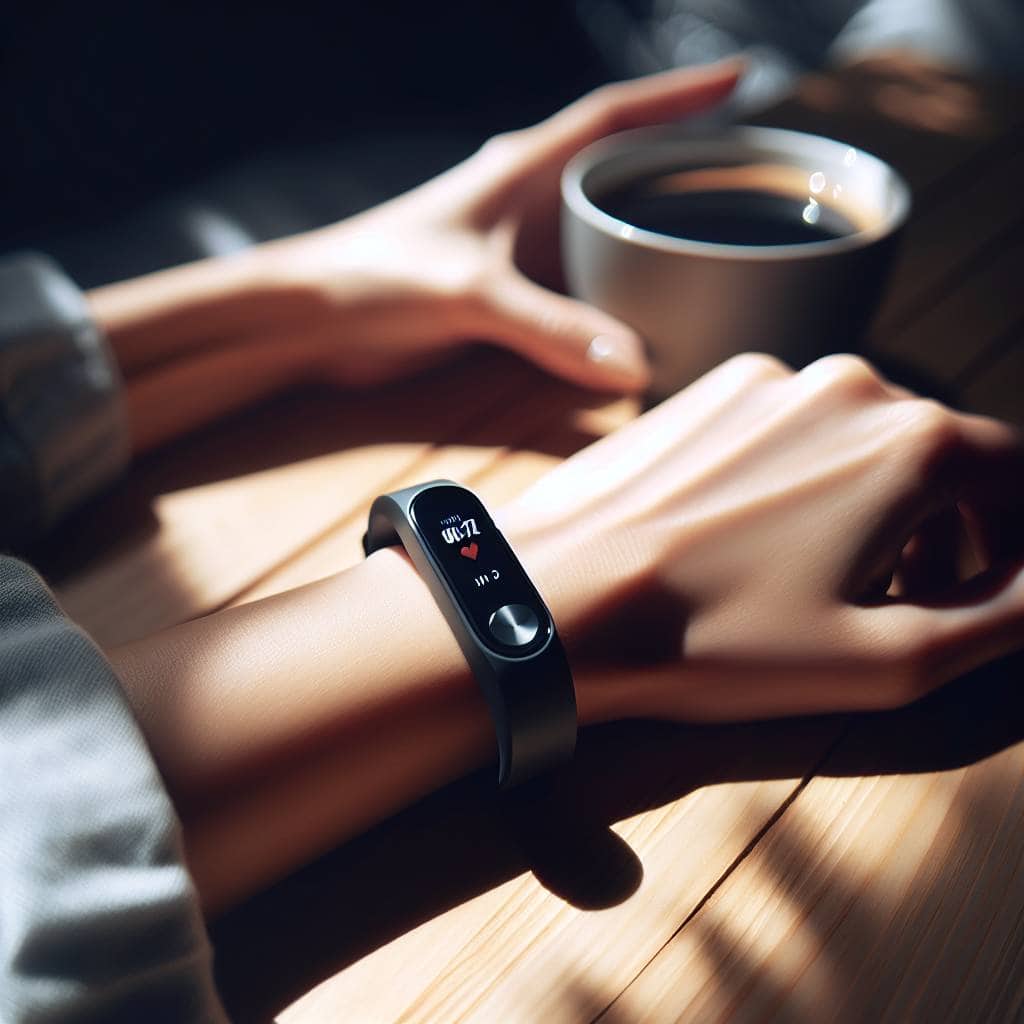
But this little gadget and I are in a love-hate relationship, and I’m here to spill the beans on what that really looks like. We’re diving into the nitty-gritty of these wearable wonders (or are they just overpriced pedometers?). From the accuracy that’s almost as reliable as your horoscope to battery life that taps out when you need it most. And yes, we’ll dissect every flashy feature that promises to turn you into an overnight Olympian. So, buckle up—let’s see if these trackers are truly revolutionizing our lives or just another tech fad to clutter our drawers.
Table of Contents
When My Fitness Tracker’s Battery Outlived My Motivation
You know, there was a time when I thought strapping a fitness tracker onto my wrist was the magic bullet for my lethargy. A tiny screen flashing with numbers, graphs, and the occasional heart emoji warning me I’m still alive. But here’s the kicker: my fitness tracker’s battery outlasted my enthusiasm for the grind. It sat there, smugly ticking away, while I sat on the couch, contemplating the existential crisis of whether my step count really mattered in the grand scheme of things.
These devices are supposed to be our digital cheerleaders, right? But when your battery life stretches on for days, sometimes weeks, it becomes a constant reminder of your sloth-like tendencies. It’s almost mocking as it vibrates with notifications of how inactive I’ve been. The accuracy in tracking my inertia? Spot-on. The features? Oh, they’re all there—customizable faces, heart rate monitoring, GPS tracking for the rare occasion I decide to jog to the fridge. But somewhere between the promise of a fitter me and the reality of Netflix marathons, my motivation took a nosedive, leaving the tracker to cling to its unfulfilled purpose.
In a world obsessed with metrics, it’s easy to forget that a fully charged battery doesn’t equate to a fully charged spirit. My tracker, a beacon of tech innovation, keeps on humming, its digital heart beating on my wrist. Meanwhile, my own pulse quickens only for the mundane thrill of ordering takeout. So, while it continues its marathon of endurance, I sit back, marveling at the irony of a gadget more dedicated to my health than I am. At least one of us is staying the course.
The Irony of Digital Companionship
So here we are. Me and my little digital buddy strapped to my wrist, a constant reminder that even in the age of AI, nothing can quite replace the good old human spark. It’s not about the flashing LEDs or the step counts that decide our fate. No, it’s about the quiet moments when I realize that this tiny device is more a reflection of my own intentions than a dictator of my actions. It’s not an indictment of my couch-loving tendencies but a small nudge, urging me to find that elusive balance between ambition and acceptance.
In the end, my wearable is a paradox. It’s a gadget that wants to be my friend, yet it can’t share a coffee or give me a pep talk when I need one. But maybe, just maybe, it hints at something greater—a connection between the digital and the human that doesn’t rely on perfection, but on understanding. A reminder that technology, just like life, is only as good as the meaning we choose to find in it. So whether it’s an accurate step count or a dead battery, what matters is where I decide to go from here.
