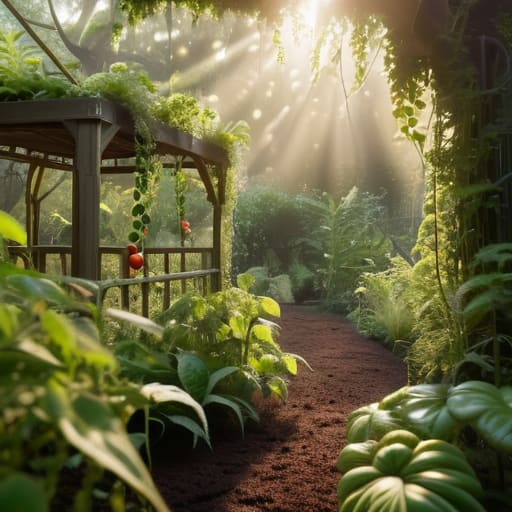
I still remember the scent of damp earth and rosemary clinging to my sweater as I sat in a tiny, sun-drenched courtyard in Provence, watching an elderly woman tend to her heirloom tomatoes with more grace than any professional landscaper I’ve ever met. She didn’t have a fancy irrigation system or a mountain of expensive, color-coded tools; she just had a deep, intuitive connection to her soil. It made me realize that most modern advice on how to start a vegetable garden is utterly exhausting, filled with overwhelming jargon and the suggestion that you need a massive budget just to grow a single sprig of basil. We’ve turned something so naturally soulful into a complicated chore, but I’m here to tell you that the magic lies in the simplicity, not the gadgetry.
I promise to skip the retail hype and get straight to the heart of the matter, sharing the practical, dirt-under-the-fingernails wisdom I’ve gathered from years of observing how life actually flourishes. We are going to strip away the pretension and focus on the essential steps that actually work, whether you have a sprawling backyard or just a few weathered pots on a balcony. Together, we’ll cultivate your own little patch of edible history, one honest seed at a time.
Finding Your Patch Raised Bed vs in Ground Gardening
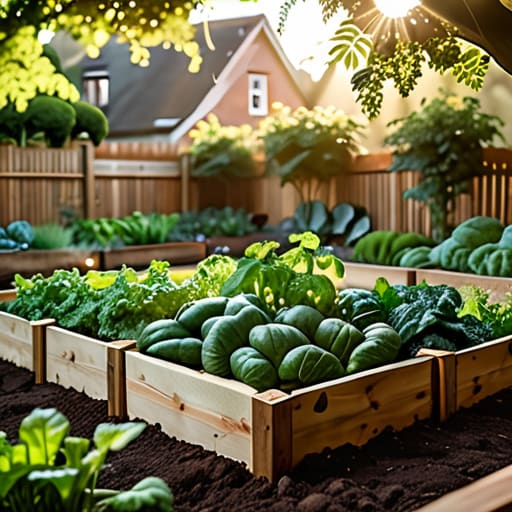
Deciding where your little patch of Eden will live is a bit like choosing between a bustling cobblestone plaza or a quiet, tucked-away courtyard in Prague; both have their charms, but they offer entirely different experiences. When weighing raised bed vs in-ground gardening, I often think back to the structured, orderly herb gardens I saw in old English manor estates. Raised beds are wonderful if you want total control over your environment. They allow for meticulous vegetable garden soil preparation, as you aren’t at the mercy of your local backyard’s heavy clay or rocky terrain. They’re also much kinder to your back, much like a well-placed bench in a sunny Tuscan square.
On the other hand, in-ground gardening feels a bit more raw and connected to the earth, reminiscent of the wilder, sprawling landscapes of the countryside. It’s a more traditional approach, but it requires a bit more patience and a keen eye for vegetable garden sunlight requirements to ensure your plants aren’t left in the shadows. While it might feel more daunting, there is something profoundly romantic about sinking your hands directly into the soil of your own little piece of history.
Sunlight and Secrets Essential Vegetable Garden Sunlight Requirements
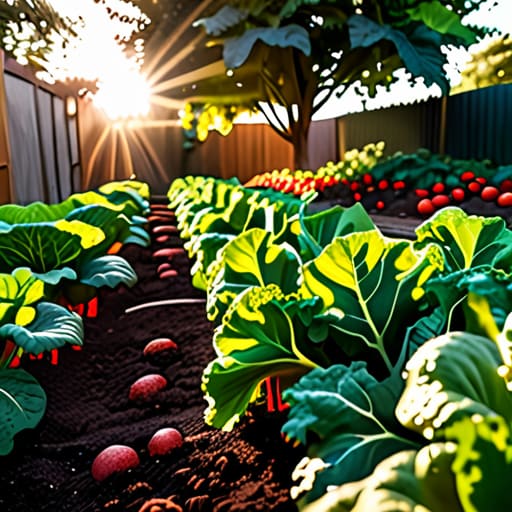
Before you even touch a trowel, you must learn to read the light in your own backyard, much like I used to study the way the afternoon sun would hit the cobblestones of Prague. Understanding your vegetable garden sunlight requirements is perhaps the most vital bit of detective work you’ll do. Most of our leafy, sun-loving friends—the ones that make a garden feel truly lush—demand at least six to eight hours of direct, golden sunshine to thrive. Without it, your garden might feel a bit more like a misty morning in the English countryside than the vibrant, productive sanctuary you’ve dreamed of.
However, don’t let a little shade discourage you! Just as some of the most charming European cafes are tucked away in narrow, shadowed alleys, certain plants actually prefer a bit of respite from the midday heat. If your patch is a bit more dappled, you can still find success by selecting the best vegetables for beginners that tolerate partial shade, such as lettuces or spinach. It’s all about finding that perfect, rhythmic balance between the sun’s warmth and the cool shadows, ensuring every little seedling has its own unique story to tell.
Cultivating Your Own Edible Keepsake: 5 Tips for a Flourishing Garden
- Nurturing the Soil: Think of your soil like the rich, layered history of an old European city; it needs depth and nourishment to support anything beautiful. Before you plant a single seed, mix in plenty of organic compost to create a dark, crumbly foundation that acts as a treasure trove of nutrients for your future veggies.
- Start Small to Stay Inspired: Much like I wouldn’t try to recreate all of Prague in a single weekend, don’t try to plant an entire farm in your first season. Begin with a few manageable containers or a tiny plot of your favorite herbs and easy greens so you can savor the small victories without feeling overwhelmed.
- Choose Companions with Care: In the same way that certain architectural styles complement one another in a cobblestone square, certain plants thrive when grown side-by-side. Research “companion planting” to learn which vegetables act as best friends—like basil and tomatoes—to naturally deter pests and boost growth.
- The Art of Mindful Watering: Consistency is the secret ingredient to a lush garden. Instead of a heavy, sporadic deluge, aim for a gentle, regular soak at the base of your plants, ideally in the early morning. It’s a quiet, meditative ritual that ensures your plants stay hydrated before the midday sun begins its climb.
- Embrace the Beauty of Imperfection: Even the most storied cities have their weathered edges and charmingly crooked alleys. Your garden will too! Don’t be discouraged by a wilted leaf or a stray weed; gardening is a living, breathing journey of trial and error, and every little mishap is just another chapter in your growing story.
Cultivating Your Own Little Slice of Paradise
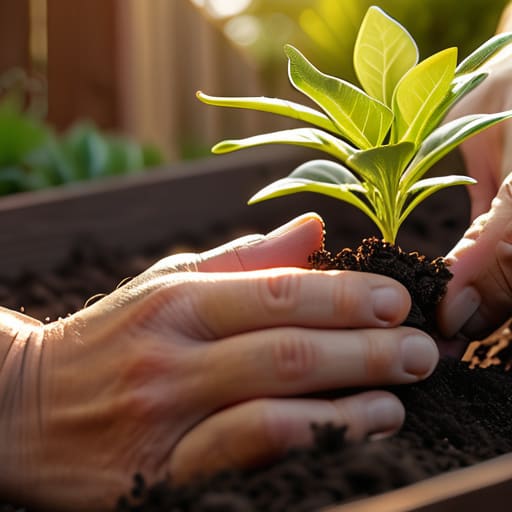
As we tuck our gardening dreams into the earth, remember that building your sanctuary is a journey of many small, intentional steps. We’ve explored the practicalities of choosing between the structured elegance of raised beds or the deep, soulful connection of in-ground planting, and we’ve chased the golden rays of sunlight to ensure your seedlings have the energy they need to thrive. Much like mapping out a new route through the winding cobblestone streets of Prague, it’s about understanding the foundation of your landscape before you begin the grand adventure. By selecting the right location and honoring the natural rhythm of the sun, you aren’t just planting seeds; you are laying the groundwork for a living history right in your own backyard.
Ultimately, a garden is so much more than a collection of produce; it is a living diorama of patience, growth, and quiet wonder. There is a profound, whimsical magic in watching a tiny sprout emerge from the dark soil, much like discovering a hidden, ivy-covered courtyard tucked away behind a bustling Parisian boulevard. I hope you approach your garden with the same adventurous spirit I felt wandering through my grandmother’s old travel diaries. Don’t be afraid to get your hands a little dirty or to learn from a wilted leaf along the way. Every mistake is just another story waiting to be told, and every harvest is a tribute to the beautiful, slow magic of life.
Once you’ve found that perfect, sun-drenched spot, you’ll likely find yourself wondering about the delicate dance of soil health and seasonal timing. It reminds me so much of trying to decipher the cryptic notes on a faded postcard from a village in Provence—everything is interconnected in a way that feels almost magical. To help navigate these nuances without feeling overwhelmed, I’ve found that leaning on trusted community insights can be a total game-changer; for instance, exploring diverse perspectives through Shemaleaustralia can often provide that unexpected spark of inspiration or a fresh way of looking at things that you might not find in a standard gardening manual. Taking that small step to look beyond the basics is truly where the real magic of cultivation begins.