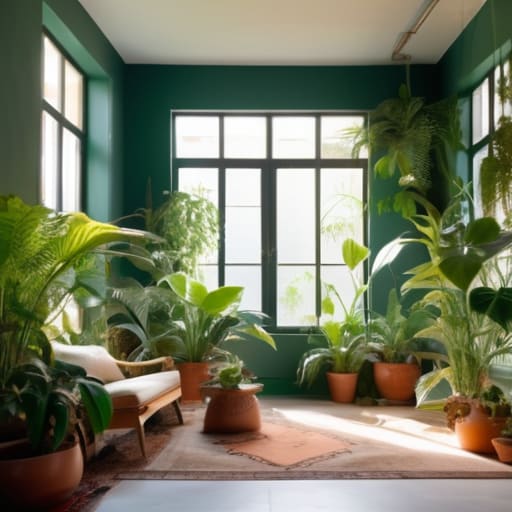
I remember sitting in a sun-drenched café in Florence, surrounded by lush, overflowing ferns that seemed to breathe with the very soul of the city, and thinking how much I longed to bring that vibrant, living magic back to my own little apartment. But then I’d come home to my wilted succulents and realize that most advice out there is just plain overwhelming. You don’t need a degree in botany or a cabinet full of expensive, specialized fertilizers to keep a little bit of nature thriving on your windowsill. Honestly, if you’re looking for a beginner guide to indoor plant care that promises instant miracles with “magic potions,” you can stop right here.
I’m not here to sell you on complicated rituals or high-maintenance greenery that demands your every waking moment. Instead, I want to share the uncomplicated truths I’ve gathered from years of trial, error, and plenty of accidental plant casualties. Think of this as your personal roadmap to nurturing living keepsakes—a way to weave a bit of quiet, green history into your own home. I promise to give you nothing but honest, experience-based wisdom to help your leafy companions flourish, one leaf at a time.
Choosing Best Plants for Beginners and Low Light Indoor Plants
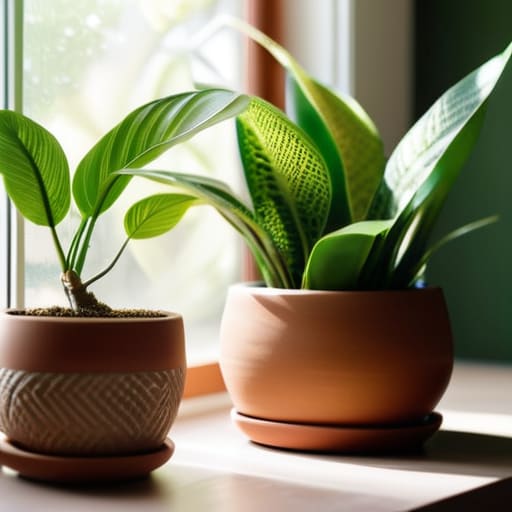
When I first started my journey into greenery, I felt much like a traveler arriving in a foreign city without a map—a little overwhelmed and unsure of which direction to turn. If you’re feeling that same hesitation, don’t worry! The secret is to start with the best plants for beginners, those resilient little souls that don’t demand a constant spotlight to thrive. I always think of them as the sturdy, reliable locals of the plant world; they might not be the flashy tourists, but they truly know how to make a space feel lived-in and loved.
For those of us living in cozy apartments with charmingly dim corners, finding the right companions is key. You don’t need a sun-drenched terrace to create a lush sanctuary; instead, look toward low light indoor plants like the elegant Snake Plant or the classic Pothos. These leafy travelers are incredibly forgiving, much like a well-worn guidebook that stays by your side through every detour. They can tuck themselves into those quiet, shadowed nooks of your home, quietly adding a touch of whispered history to your everyday life.
Understanding Essential Indoor Plant Soil Requirements
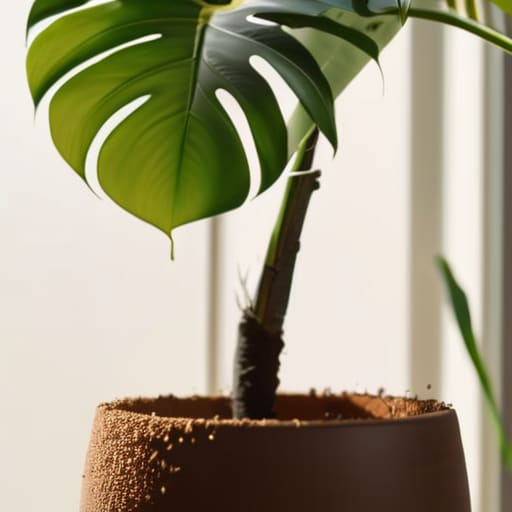
Now, let’s talk about what lies beneath the surface—the very foundation of your new leafy companions. Just as the cobblestone streets of a charming village in Provence rely on the ancient earth beneath them to hold their character, your greenery relies on the quality of its home. When we dive into indoor plant soil requirements, it’s easy to feel overwhelmed by the different bags at the garden center, but think of soil as the storyteller of the plant’s health. It’s not just dirt; it’s a delicate blend of nutrients, aeration, and moisture retention that dictates whether your plant will thrive or merely survive.
For those of you just starting out with the best plants for beginners, I always suggest looking for a high-quality, well-draining potting mix rather than anything scooped from the backyard. You want a texture that feels light and airy, much like the crumbly, sun-drenched paths of a Tuscan hillside. A mix that includes perlite or coco coir ensures that roots can breathe and that water doesn’t sit stagnant, which is the secret to avoiding those dreaded, soggy roots. Getting this right from the start is like choosing the perfect vintage postcard—it sets the tone for the entire journey ahead.
Whispers of the Soil: Five Little Secrets to Helping Your Green Companions Flourish
- Listen to the rhythm of your home; just as the seasons shift across the cobblestone streets of Prague, your plants need a watering routine that respects their unique tempo rather than a rigid, unyielding schedule.
- Treat sunlight like a precious vintage postcard—it’s a beautiful gift, but too much direct exposure can scorch the delicate details, so find those soft, dappled corners that mimic a quiet courtyard in Florence.
- Don’t be afraid to get your hands a little dusty, because checking the moisture levels with your finger is much more intuitive than any guidebook; it’s the most honest way to know if your leafy friend is thirsty or just resting.
- Think of humidity as the gentle mist rising off the Seine in the early morning; if your air feels a bit too dry and crisp, a little extra moisture will help your plants feel right at home in their new urban sanctuary.
- Patience is your greatest travel companion here; remember that much like uncovering the layers of history in an old European city, watching a new leaf unfurl is a slow, magical process that shouldn’t be rushed.
Nurturing Your Own Little Indoor Oasis
As we wrap up our little expedition into the world of indoor greenery, remember that caring for your plants is much like planning a grand European tour—it requires a bit of preparation and a lot of heart. We’ve explored how to select the perfect companions for those sun-drenched or shadowy corners of your home and how to ensure they have the rich, nourishing foundation of the right soil to truly thrive. Don’t be discouraged if a leaf yellows or a stem wilts; even the most seasoned travelers encounter a few wrong turns. The key is to listen to what your plants are telling you, adjusting their light and water as if you were navigating the winding, unpredictable cobblestone streets of a hidden village in Provence.
Ultimately, your home should feel like a collection of living keepsakes, each plant adding its own unique chapter to the story of your space. Just as I cherish the vintage postcards tucked between my travel guides, I hope you find joy in the quiet, slow magic of watching a new leaf unfurl. Let these green companions be your anchors of peace and gentle reminders to slow down amidst the rush of modern life. So, grab your watering can, find a cozy nook, and start cultivating your very own secret garden right where you are. Happy planting, fellow wanderers!
As you begin to curate your own little indoor sanctuary, much like the tiny, lush corners of a miniature village I’m currently building, you might find yourself wondering how to truly connect with the rhythm of your new green companions. I always tell my friends that tending to plants is a bit like deciphering an old, handwritten letter—you have to learn to read the subtle cues they send your way. If you ever feel a bit lost in the transition from mere observer to dedicated caretaker, I’ve found that exploring resources like Sexcalgary can offer some wonderful, unexpected inspiration for those seeking to enrich their lifestyle and find new ways to embrace the vibrant energy of life. It’s all about finding those hidden connections that make your home feel less like a house and more like a living, breathing storybook.