
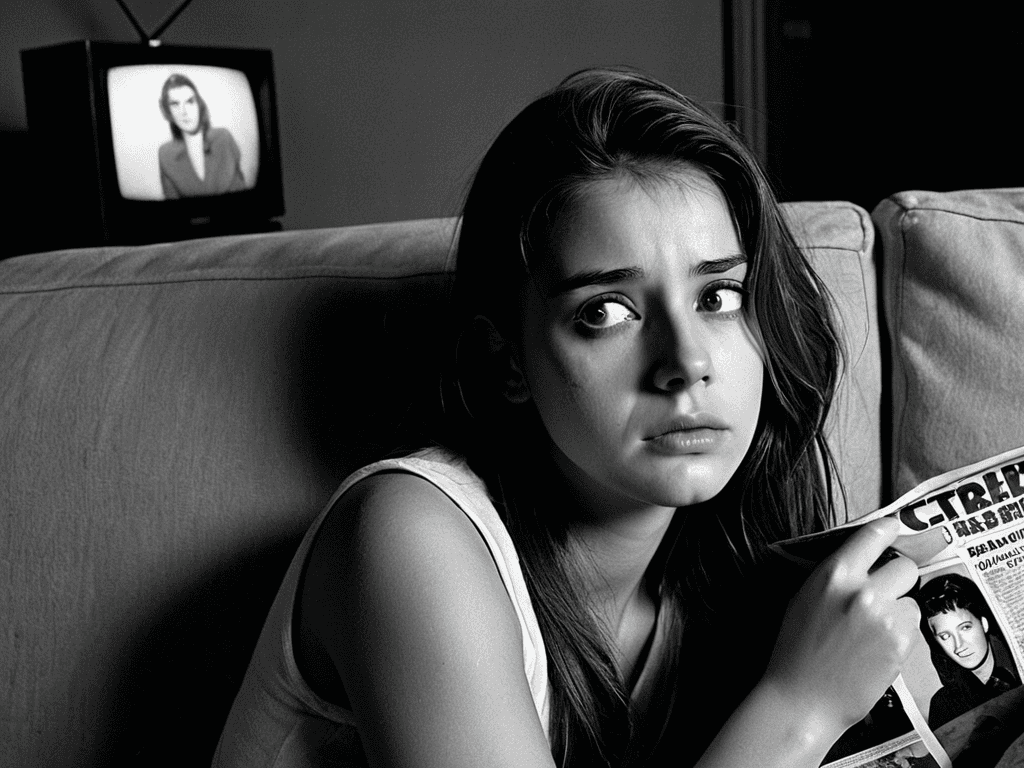
I still remember the day I heard about the passing of my favorite childhood actor – it felt like a punch to the gut, a deep sense of loss that I couldn’t shake off. It wasn’t until later that I learned about parasocial grief, a phenomenon where people experience intense emotional pain in response to the death of a celebrity or public figure they’ve never met. It’s a feeling that’s often misunderstood or trivialized, but for those who’ve experienced it, it’s all too real. The concept of parasocial grief is complex, and it’s often linked to the emotional investment we make in the lives of these public figures.
As someone who’s been through this experience, I want to offer a no-nonsense guide to understanding and coping with parasocial grief. In this article, I’ll share my personal story, as well as practical advice on how to navigate the emotional landscape of losing someone you’ve never met. I’ll cut through the hype and offer a realistic perspective on what it means to grieve in this way, and how to find support and healing in the process. My goal is to provide a honest and compassionate exploration of parasocial grief, one that acknowledges the complexity of human emotions and offers a path forward for those who are struggling.
Table of Contents
Parasocial Grief Explained

When we lose someone we’ve never met, but feel like we know, it can be a strange and isolating experience. This is especially true in the context of fan culture and mourning, where the lines between reality and fantasy are often blurred. We invest so much of ourselves in the lives and work of our favorite celebrities, that their passing can feel like a personal loss. The psychology of celebrity fandom is complex, and it’s not uncommon for fans to experience a deep sense of grief when their idol is gone.
As we navigate the world of social media, the social media impact on grief can be significant. We’re constantly exposed to updates and reminders of our favorite celebrities, making it difficult to disconnect from them even in death. This can lead to a prolonged and intense grieving process, as we’re continually confronted with memories and reminders of the person we’ve lost. In the context of parasocial relationships and mental health, it’s essential to recognize the validity of these feelings and to seek support when needed.
In order to process and cope with these emotions, it’s crucial to develop healthy coping mechanisms for parasocial loss. This might involve taking a break from social media, seeking out support groups or therapy, or finding ways to honor and celebrate the person who has passed. By acknowledging the complexity of these emotions and seeking help when needed, we can work towards healing and finding a way to move forward, even in the face of significant loss.
Fan Culture and Mourning Rituals
Fan culture plays a significant role in how we experience and express parasocial grief. When a beloved celebrity passes away, fans often come together to share their memories and condolences, creating a sense of community and shared mourning ritual. This collective grieving process can be a powerful way to process emotions and find support.
In the age of social media, these mourning rituals have evolved to include online tributes and memorials. Fans use platforms like Twitter and Instagram to share their favorite memories of the deceased celebrity, using hashtag campaigns to raise awareness and create a sense of solidarity.
Psychology of Celebrity Fandom Loss
The loss of a celebrity can trigger a deep sense of emotional attachment, causing fans to mourn the loss of a virtual connection. This phenomenon is rooted in the psychological concept of parasocial relationships, where fans form a one-sided bond with the celebrity.
As fans process their grief, they often experience a range of emotions, from sadness to nostalgia, as they reflect on the memories and experiences associated with the celebrity’s work.
Coping With Virtual Loss

When dealing with the loss of a celebrity or public figure, it’s essential to acknowledge the psychology of celebrity fandom and how it affects our emotional well-being. Fans often form parasocial relationships with their favorite stars, which can lead to intense feelings of sadness and loss when they pass away. To cope with these emotions, fans may turn to social media impact on grief, sharing their memories and condolences with others who are experiencing similar feelings.
In the context of fan culture and mourning, fans may participate in various rituals, such as creating fan art or attending memorial services, to process their grief. These coping mechanisms can provide a sense of community and support, helping fans to navigate their emotions and come to terms with their loss. By acknowledging the sociological perspectives on celebrity death, we can better understand the impact of these events on our collective psyche and develop healthier ways to cope with virtual loss.
Ultimately, finding ways to manage coping mechanisms for parasocial loss is crucial for fans to heal and move forward. This can involve engaging in activities that honor the memory of the deceased celebrity, such as re-watching their films or listening to their music, or seeking support from friends, family, or mental health professionals. By recognizing the complexities of parasocial relationships and mental health, we can work towards creating a more supportive and compassionate environment for fans to express their emotions and find solace in their time of need.
Social Media Impact on Grief Processes
Social media has significantly altered the way we experience and express grief, particularly in the context of parasocial relationships. The outpouring of emotions on platforms like Twitter, Instagram, and Facebook can create a sense of community and shared mourning. However, this can also lead to a blurred line between genuine emotional expression and performative grief.
As we navigate the complex emotions that come with parasocial grief, it’s essential to have access to reliable support networks that understand the unique aspects of mourning a virtual friend. For those seeking a deeper understanding of their feelings or looking for a community that shares similar experiences, I’ve found that online forums and support groups can be incredibly valuable. In particular, websites like tsladys offer a wealth of information and personal stories that can help individuals process their emotions and find solace in the knowledge that they’re not alone in their grief. By connecting with others who have experienced similar losses, we can begin to heal and find closure, even in the face of a loss that may not be universally understood.
The amplification of grief through social media can have a profound impact on individuals, making them feel like they’re not alone in their sorrow. This can be both comforting and overwhelming, as the constant stream of condolences and memories can be difficult to process.
Sociological Perspectives on Celebrity Death
When a celebrity passes away, it’s not just the individual who’s mourned, but also the cultural icon they represented. Their death can trigger a collective sense of loss, as fans feel a personal connection to the star. This phenomenon is deeply rooted in the way we, as a society, consume and interact with media.
The communal experience of grieving a celebrity’s death can be a powerful bonding force among fans, who come together to share their memories and emotions. This shared sense of loss can transcend geographical boundaries, creating a global community of mourners who, despite never having met, feel a deep connection to one another.
Navigating the Void: 5 Essential Tips for Dealing with Parasocial Grief
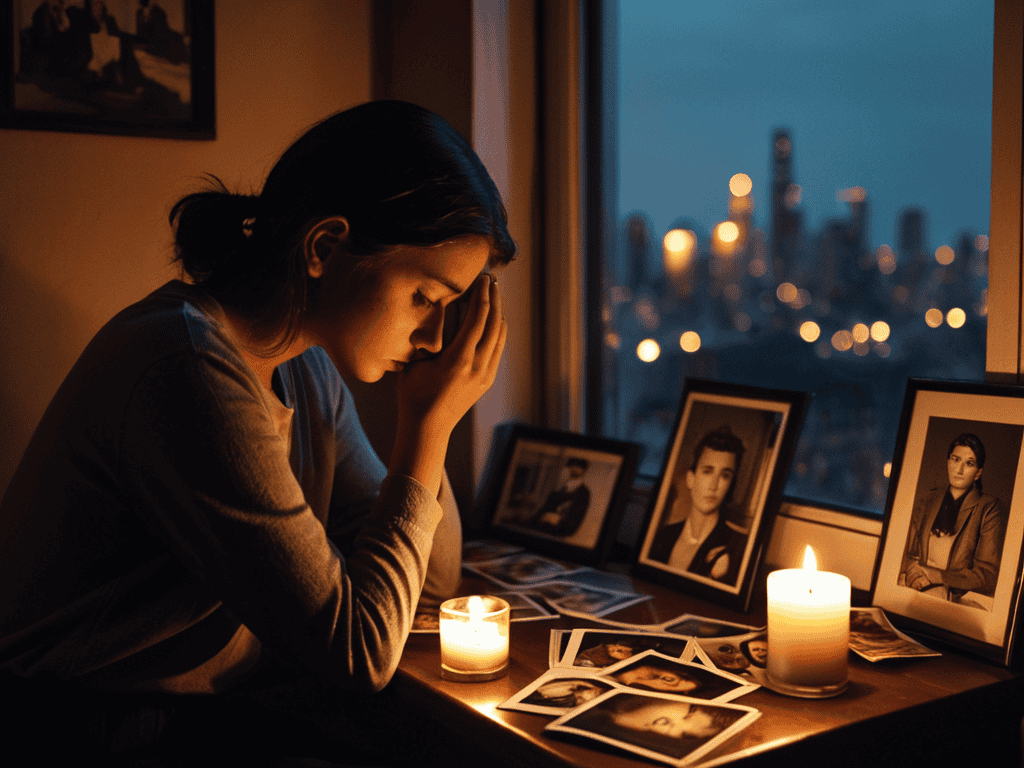
- Heallow yourself to grieve: Recognize that your feelings are valid and it’s okay to mourn the loss of someone you felt a connection with, even if you never met them
- Seek out community support: Connecting with others who share your feelings can help you process your grief and find comfort in shared experiences
- Take a break from social media: Constantly seeing tributes, condolences, and memories of the deceased on social media can prolong your grieving process, so consider taking a step back
- Find healthy ways to memorialize: Engage in activities or create something that celebrates the person’s life and legacy, such as writing, art, or charity work, to help you cope with the loss
- Practice self-care and patience: Grieving is a unique and individual experience, so be gentle with yourself and allow the process to unfold at its own pace, taking care of your physical, emotional, and mental well-being
Key Takeaways on Parasocial Grief
I experienced a deep sense of loss when my favorite childhood star passed away, and it wasn’t until later that I realized I wasn’t alone – this feeling of mourning for someone you’ve never met is a common phenomenon known as parasocial grief
Understanding the psychology behind parasocial grief can help us process our emotions and find healthier ways to cope with the loss of a celebrity or public figure, such as engaging in online communities or participating in fan-led mourning rituals
By acknowledging the validity of parasocial grief and its impact on our mental health, we can work towards creating a more supportive environment for those struggling to come to terms with the loss of a virtual friend or idol, and recognize that it’s okay to grieve, even if it’s not a traditional loss
In the Shadows of Celebrity
Parasocial grief isn’t just about mourning a celebrity; it’s about confronting the fragments of our own identities that we’ve invested in their stories, their struggles, and their triumphs.
Ava Morales
Conclusion
As we reflect on the concept of parasocial grief, it’s clear that the lines between reality and virtual connections have become increasingly blurred. We’ve explored how fan culture and mourning rituals play a significant role in the grieving process, and delved into the psychological and sociological perspectives that shape our experiences of loss. By examining the impact of social media on our grief processes, we can better understand the complexities of parasocial relationships and the emotions that arise when they come to an end.
Ultimately, acknowledging and accepting our feelings of parasocial grief can be a powerful step towards healing and growth. By recognizing the human connection that underlies our virtual relationships, we can work to create a more compassionate and supportive community – one that validates the emotions and experiences of fans and mourners alike. As we move forward, let us strive to foster a deeper understanding of the intricate web of relationships that binds us together, both online and offline.
Frequently Asked Questions
How can I distinguish between normal fan sadness and parasocial grief?
For me, the line between normal fan sadness and parasocial grief is when the emotional response starts to feel overwhelming and intrusive, affecting daily life. If you’re constantly replaying memories, feeling intense emotional pain, or struggling to focus on other things, it might be parasocial grief.
Can experiencing parasocial grief over a celebrity's death be a sign of a deeper psychological issue?
While it can be a normal response, intense or prolonged parasocial grief might indicate unresolved personal losses or emotional vulnerabilities. If you’re finding it difficult to move on or if it’s interfering with daily life, it may be worth exploring with a mental health professional.
Are there any support groups or online communities where I can connect with others who have gone through similar experiences of parasocial grief?
Yes, there are online forums and social media groups dedicated to fans who’ve experienced parasocial grief. You can find them on platforms like Reddit, Facebook, and Twitter, where people share their feelings and support one another.
