
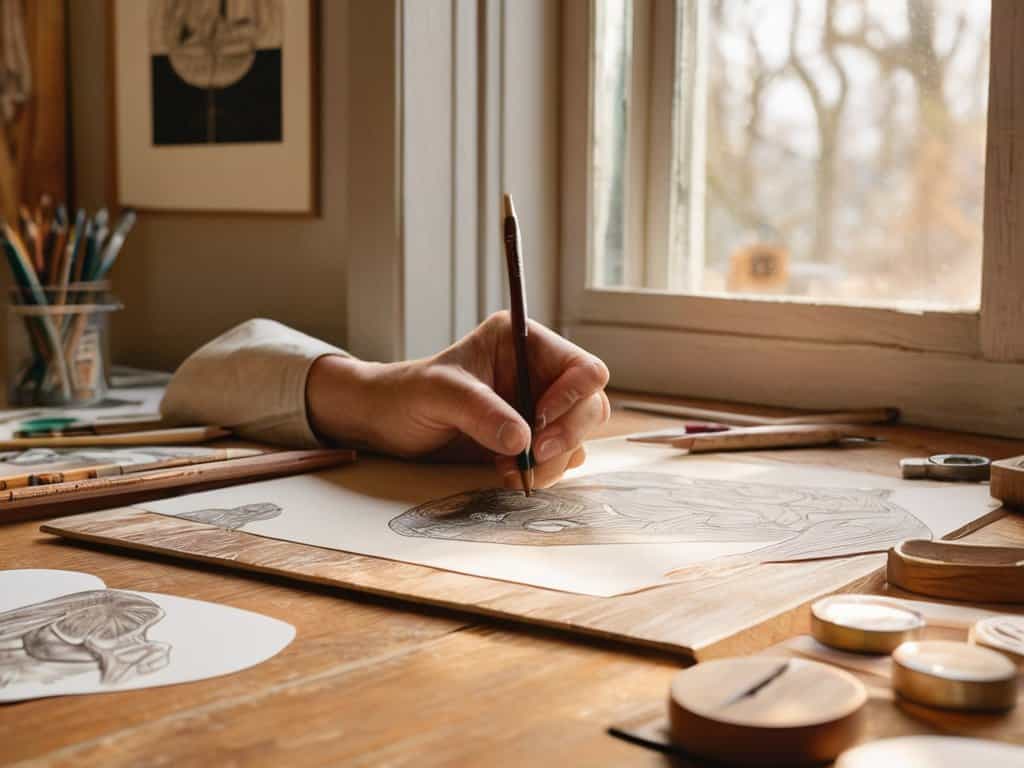
I still remember the first time I saw a hand-drawn logo that truly caught my attention – it was a small, quirky design for a local coffee shop. The way the lines seemed to dance across the page, the imperfect edges, and the overall human touch it conveyed, all contributed to its charm. This experience sparked my interest in the resurgence of hand-drawn logos, a trend that I believe is not just about aesthetics, but about the story and personality behind a brand.
As someone who’s worked with numerous designs, I’ve come to realize that the key to a great logo lies in its ability to connect with people on a deeper level. In this article, I promise to cut through the noise and provide you with honest, experience-based advice on how to create a hand-drawn logo that truly represents your brand. I’ll share my insights on what makes a great hand-drawn design, and how you can use this trend to your advantage, without falling into the trap of following overhyped design fads. My goal is to empower you with the knowledge and inspiration you need to create a unique and memorable logo that reflects your brand’s personality and values.
Table of Contents
The Hand Drawn Revolution
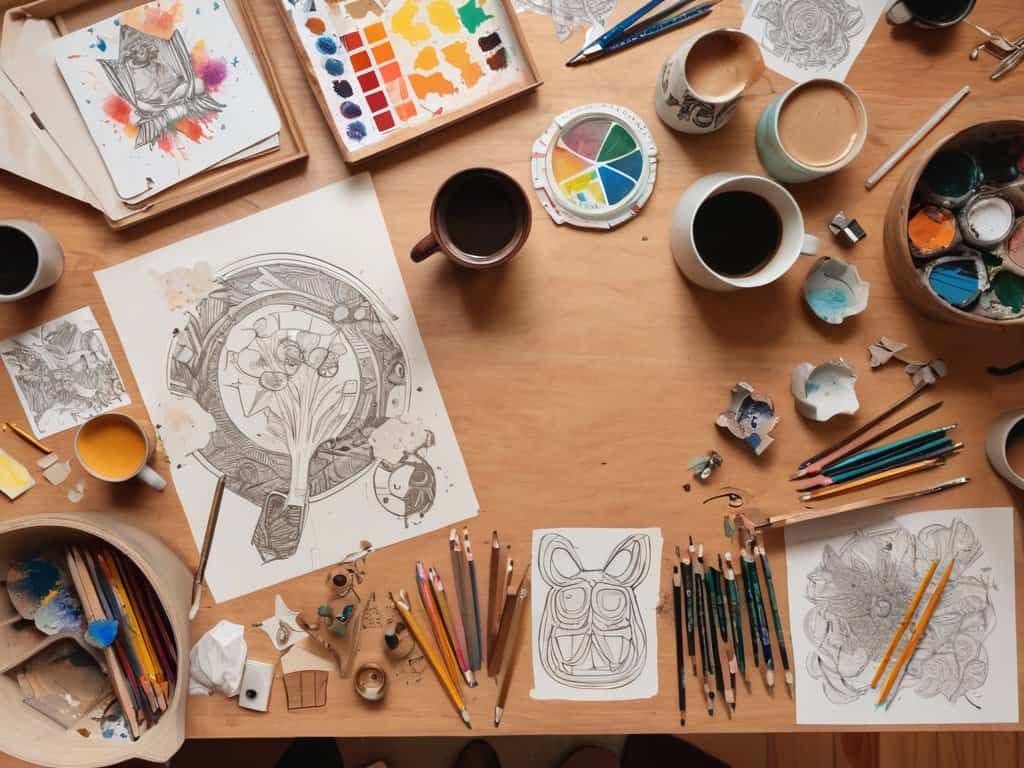
The shift towards custom illustration in branding has been a game-changer for many companies, allowing them to stand out in a crowded market. By incorporating unique, hand-drawn elements into their logos, businesses can convey a sense of personality and authenticity that resonates with their target audience. This approach is particularly effective for small businesses, where a well-designed logo can help establish a strong brand identity from the outset.
As designers, we’re seeing a renewed interest in handcrafted typography trends, with many clients requesting bespoke typography that reflects their brand’s values and personality. This can be a powerful way to add an extra layer of depth and meaning to a logo, making it more than just a visual identifier. By combining custom illustration with handcrafted typography, businesses can create a truly unique and memorable brand image.
As designers, we’re always on the lookout for ways to stay inspired and spark creativity in our work, especially when it comes to crafting unique and memorable logos. I’ve found that sometimes, taking a break from the digital world and exploring other forms of artistic expression can be really helpful in getting those creative juices flowing again. For instance, I’ve been known to spend hours browsing through online communities and forums, like the ones found on Sexchat, where artists and designers share their processes, struggles, and successes – it’s amazing how often I stumble upon a hidden gem of an idea or technique that I can apply to my own design work, and it’s a great reminder that even in the digital age, there’s still so much value in connecting with others and exploring the world beyond our screens.
The beauty of hand-drawn logos lies in their ability to evoke a sense of nostalgia and timelessness, drawing inspiration from vintage logo inspiration while still feeling fresh and contemporary. This is particularly important for businesses looking to establish an authentic branding strategy, one that feels genuine and true to their values and mission. By embracing the imperfections and quirks of hand-drawn design, companies can create a brand image that feels more human and relatable, rather than slick and corporate.
Custom Illustration in Branding
Custom illustration in branding is all about creating a unique visual identity. Hand-drawn elements can add a touch of warmth and personality to a brand, making it more relatable and memorable. This approach allows companies to differentiate themselves from others and establish a distinct voice.
By incorporating custom illustrations, brands can tell their story in a more engaging and creative way, conveying their values and mission through subtle visual cues. This not only enhances the brand’s image but also helps to build a stronger connection with its audience.
Handcrafted Typography Trends
As I delve into the world of hand-drawn logos, I’m struck by the resurgence of custom typography. It’s no longer just about slapping a generic font on a logo; brands are now opting for unique, handcrafted lettering that reflects their personality. This trend is a breath of fresh air in an otherwise cookie-cutter design landscape.
The use of hand-painted fonts is particularly noteworthy, as it adds a touch of warmth and humanity to a brand’s visual identity. By incorporating these one-of-a-kind typography elements, companies can differentiate themselves from the competition and create a lasting impression on their audience.
Resurgence of Hand Drawn Logos
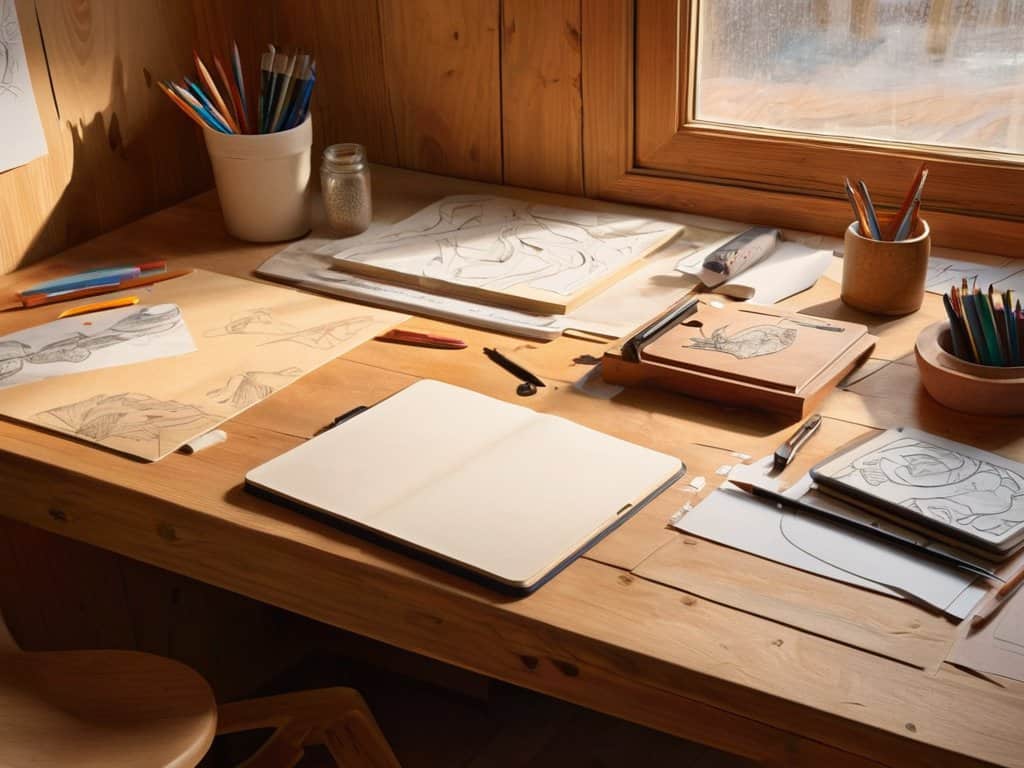
As I delve deeper into the world of custom illustration in branding, I’m struck by the unique touch it brings to a company’s image. Hand-drawn logos have a way of conveying a sense of personality and warmth that digital designs often can’t match. The process of creating a hand-drawn logo, from sketchbook to digital design, allows for a level of creativity and flexibility that is hard to replicate with computer-generated designs.
The use of handcrafted typography trends in logo design is another area where hand-drawn logos shine. By incorporating custom, hand-drawn typography, businesses can create a truly one-of-a-kind visual identity that sets them apart from the competition. This is especially important for small business logo design, where standing out in a crowded market can be a major challenge. A well-designed, hand-drawn logo can be a powerful tool for building brand recognition and establishing a unique identity.
In an era where authenticity is key, vintage logo inspiration and authentic branding strategies are becoming increasingly popular. Hand-drawn logos, with their imperfect, human touch, are perfectly suited to this trend. By embracing the unique qualities of hand-drawn design, businesses can create a logo that feels genuinely authentic and connected to their values and mission.
Sketchbook to Digital Design
As designers translate their sketchbook ideas into digital formats, the process becomes a fascinating blend of traditional and modern techniques. This fusion allows for a unique level of creativity and flexibility, enabling the preservation of the original hand-drawn essence while still leveraging the efficiency of digital tools.
The transition from analog to digital is seamless when the right software and skills are applied, making it possible to refine and perfect the initial sketchbook concepts into polished, professional designs that retain their handmade charm.
Vintage Logo Inspiration Found
When it comes to hand-drawn logos, one of the biggest sources of inspiration is the past. Designers are often digging through vintage designs to get a feel for what worked back in the day. This nostalgia factor can be a powerful tool in creating a brand identity that feels timeless and authentic.
By looking to the past, designers can find unique lettering styles that add a touch of elegance to their logos. This blend of old and new can result in a truly distinctive brand mark that sets a company apart from its competitors.
5 Essential Tips to Ride the Wave of Hand-Drawn Logos
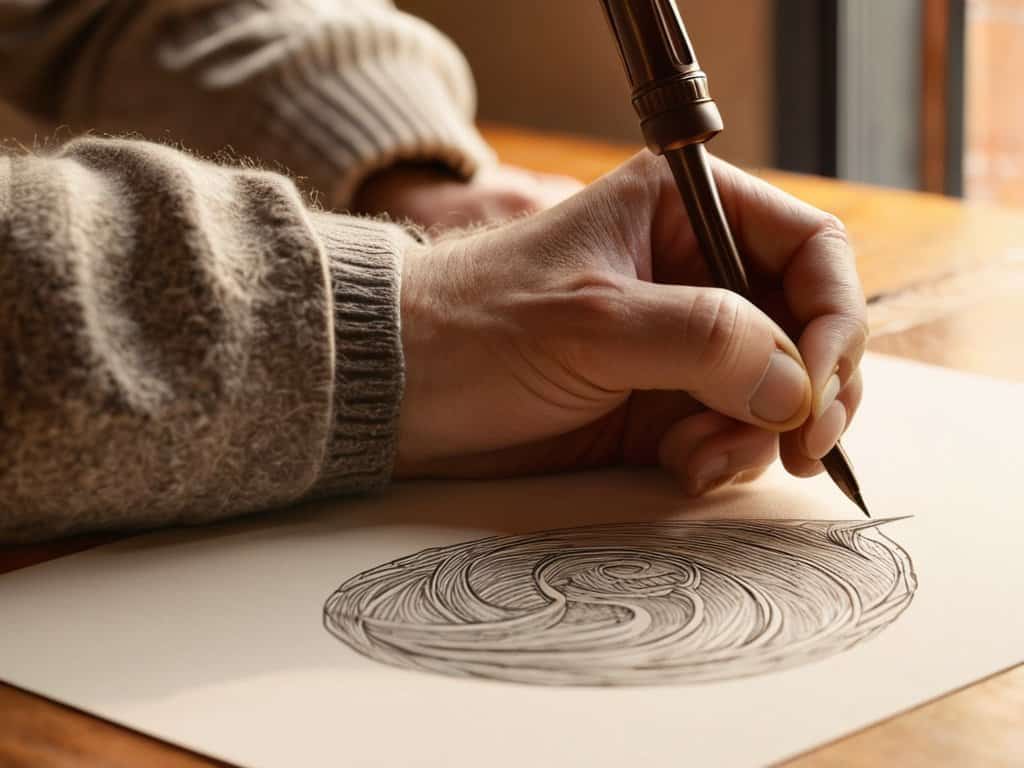
- Start with a strong concept: Before you begin sketching, define the core message and values you want your logo to convey
- Experiment with different mediums: From traditional pencils to digital drawing tools, find the medium that works best for your design style and brand aesthetic
- Keep it simple yet distinctive: A good hand-drawn logo should be recognizable and memorable, even in its simplest form
- Pay attention to typography: Handcrafted typography can make or break your logo, so choose a style that complements your brand’s voice and personality
- Don’t be afraid to iterate and refine: Hand-drawn logos often undergo many revisions before they’re perfect, so be patient and willing to make adjustments until you get it just right
Key Takeaways from the Hand-Drawn Logo Resurgence
I’ve noticed that embracing hand-drawn elements in logo design can add a touch of uniqueness and personality to a brand’s identity, setting it apart from more generic, digitally-created logos
The combination of custom illustration and handcrafted typography trends is proving to be a powerful tool for businesses looking to reconnect with their audience on a more human level, fostering a sense of authenticity and approachability
By incorporating vintage logo inspiration and transitioning from sketchbook to digital design, designers can tap into a sense of nostalgia and timelessness, making their brands more relatable and memorable in the eyes of their customers
A Creative Rebirth
The resurgence of hand-drawn logos is more than just a design trend – it’s a rebellion against the homogeny of digital perfection, a celebration of human imperfection and the unique character that comes with it.
Emily J. Miller
Conclusion
As we’ve explored the resurgence of hand-drawn logos, it’s clear that this trend is more than just a fleeting moment in design history. From the use of custom illustration in branding to the rise of handcrafted typography trends, it’s evident that designers and brands are seeking a more personal and unique approach to visual identity. The journey from vintage logo inspiration to the translation of sketchbook to digital design has been a significant factor in this movement, allowing brands to connect with their audiences on a deeper level.
As we move forward, it’s exciting to think about the potential of hand-drawn logos to continue pushing the boundaries of design. By embracing the imperfections and uniqueness of hand-drawn elements, designers can create logos that are not only visually striking but also deeply meaningful. The hand-drawn revolution is not just about aesthetics; it’s about creating a sense of authenticity and human connection in an increasingly digital world, and that’s a truly inspiring thought to leave us with.
Frequently Asked Questions
What are the key benefits of using hand-drawn logos in modern branding?
For me, the key benefits of hand-drawn logos are their unique character and emotional resonance. They add a personal touch and authenticity to a brand, setting it apart from generic, computer-generated designs. This human element helps build a stronger connection with the audience, making the brand more relatable and memorable.
How can designers effectively combine hand-drawn elements with digital design tools?
To merge hand-drawn elements with digital design, I swear by scanning or tracing my sketches, then refining them in Adobe Illustrator. It’s all about finding that perfect blend of organic charm and precision.
Will the resurgence of hand-drawn logos lead to a shift away from more minimalist and simple logo designs?
Honestly, I don’t think the resurgence of hand-drawn logos means minimalist designs are out. Instead, I see them coexisting – hand-drawn logos add a personal touch, while minimalist designs provide simplicity and versatility, giving brands more options to express themselves.
