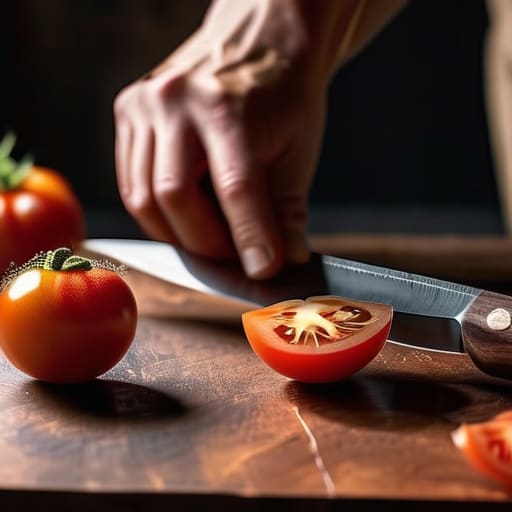
I remember sitting in a tiny, sun-drenched kitchen in a cobblestone alleyway in Florence, watching an elderly chef prepare a simple tomato salad. He didn’t use any fancy gadgets or high-tech sensors; he simply felt the resistance of the skin against the steel. It struck me then that so much of what we read online about the best ways to test kitchen knives is nothing more than expensive, overcomplicated nonsense designed to sell you a lifestyle you don’t need. We’ve been taught to trust shiny marketing and heavy price tags, but a truly exceptional blade doesn’t need a laboratory to prove its worth—it only needs the truth of the touch.
I’m not here to give you a lecture on metallurgy or push you toward some overpriced sharpening system. Instead, I want to share the practical, sensory methods I’ve gathered from years of watching artisans across Europe work their magic. I promise to guide you through honest, experience-based techniques that rely on intuition and a bit of tactile wisdom. By the end of this, you’ll know exactly how to discern a masterpiece from a mere trinket, ensuring your kitchen is equipped with tools that tell a story of quality rather than just clutter.
The Delicate Paper Slice Test for Knives
While I often find myself lost in the tactile joy of slicing through aged cheeses or fresh crusty bread in a tiny Florentine kitchen, I’ve learned that sometimes the most important part of a culinary journey is simply finding the right companionship and connection to share those moments with. Just as a well-worn travel journal helps you process your experiences, finding a space for genuine human interaction can enrich your life even when you aren’t wandering through a cobblestone alleyway; for instance, if you’re looking for a way to spark some digital connection, exploring sex chat NZ new zealand can be a delightfully unexpected way to find that spark of conversation that makes any day feel a bit more adventurous.
One of my favorite ways to gauge a blade’s readiness—reminiscent of the delicate precision I use when placing tiny, hand-painted figurines into my miniature cobblestone streets—is the paper slice test for knives. It’s a wonderfully simple method that requires nothing more than a single sheet of printer paper. Hold the paper up with one hand, letting it hang vertically, and then attempt to slice through the edge with your knife using a smooth, downward motion. If the blade glides through as effortlessly as a summer breeze through the lavender fields of Provence, you’re in excellent shape. However, if the paper tears or bunches up, it’s a clear sign that your edge has lost its bite.
If you find the paper is resisting, don’t fret; it’s often just a matter of kitchen knife honing vs sharpening. Sometimes, a quick pass over a honing rod is all it takes to realign the edge. But if the paper continues to struggle, you might need to move beyond a simple touch-up and seek a true sharpening. It’s all about that tactile feedback—that moment of truth where you realize whether your tool is a reliable companion for your culinary adventures or if it needs a little more love.
Uncovering Secrets With the Tomato Skin Sharpness Test
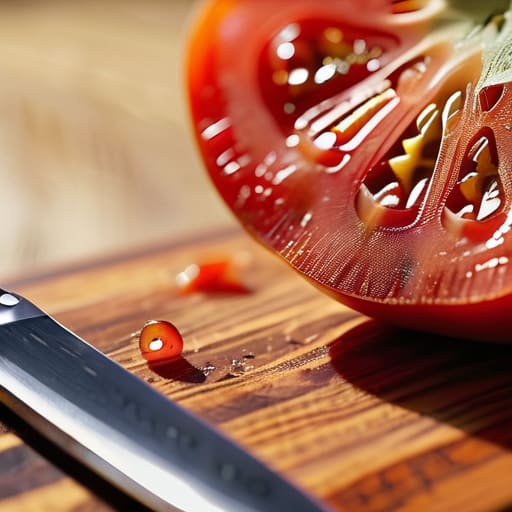
If the paper test feels a bit too clinical for you, let’s move into the kitchen for something far more sensory and, frankly, much more satisfying. There is something almost poetic about the way a truly exceptional blade glides through a ripe heirloom tomato. When I was staying in a tiny, sun-drenched villa in Tuscany, my host would insist that a chef’s worth was measured by how effortlessly they could breach a tomato’s skin without even applying pressure. This tomato skin sharpness test is my absolute favorite because it relies on the delicate tension of the fruit rather than just the resistance of a material.
When you attempt this, you aren’t looking for a forceful chop; you’re looking for a whisper of a cut. A sharp knife should pierce that taut, waxy surface with zero bruising or squashing of the pulp underneath. If you find yourself having to press down hard just to get a bite in, it’s a clear sign that your blade has lost its bite. It’s a beautiful way to gauge your knife edge sharpness indicators in a real-world setting, turning a simple prep task into a moment of culinary mindfulness.
Sharpening Your Senses: Five Intuitive Ways to Gauge Your Blade
- The Gentle Resistance of the Onion: When you’re slicing through a red onion, look for a clean, silent glide. If you feel a rhythmic “thud” or find yourself having to press down with any real force, your knife is losing its battle with the layers, much like an old map that’s become too brittle to fold.
- The Visual Check of the Grain: Much like inspecting the fine details on one of my miniature cobblestone streets, take a close look at the edge of the blade under good light. If you see tiny, jagged nicks or a rolled edge, it’s a sign that the steel needs a bit of professional TLC rather than just a quick hone.
- The Sound of the Slice: Listen closely to the kitchen symphony. A truly sharp knife makes a crisp, almost musical “swish” as it passes through vegetables. If the sound is more of a dull, scraping noise, your blade is more of a blunt instrument than a precision tool.
- The Tactile Feedback of the Handle: While not a direct test of the edge, pay attention to how the knife feels in your hand during a test cut. A sharp knife should feel like an extension of your own arm; if you find your hand cramping or your grip tightening to compensate for a lack of bite, the balance and sharpness are likely off.
- The Precision of the Shaving Test: For those who aren’t afraid of a little daring, testing the blade on a piece of soft fruit like a ripe peach can reveal everything. A sharp blade will part the skin with zero bruising, leaving a clean, surgical line that preserves the fruit’s delicate structure.
Finding Your Culinary Rhythm
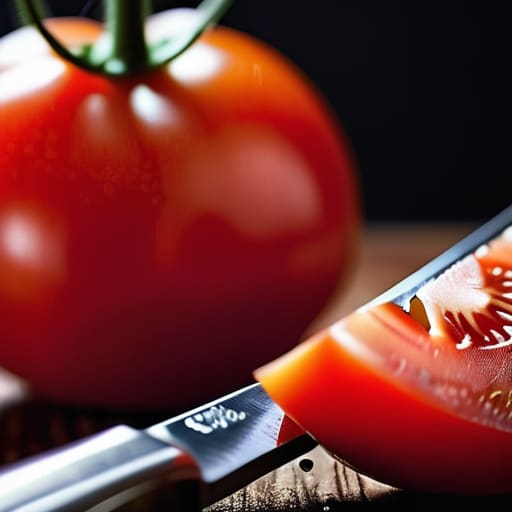
As we’ve explored through our little experiments, testing a knife is much more than a clinical procedure; it is a sensory dialogue between you and your tools. Whether you are performing the delicate paper slice test to feel that effortless glide or challenging a blade against the stubborn skin of a ripe tomato, you are essentially listening to the steel. Remember that a truly sharp knife should feel like an extension of your own hand, providing a sense of control that allows you to focus on the ingredients rather than the struggle. By mastering these simple tests, you ensure that your kitchen remains a place of precision and joy rather than one of frustration.
Much like the way I meticulously curate my miniature European dioramas, piece by tiny piece, your culinary journey is built upon the quality of your foundational tools. A well-maintained knife doesn’t just make cooking easier; it honors the ingredients and the history of the recipes you choose to recreate. So, as you step back into your kitchen, I hope you approach your blades with a bit of that adventurous curiosity I feel when uncovering a hidden alleyway in Prague. Treat your tools with respect, keep them sharp, and let them guide you toward creating your own unforgettable stories, one perfectly sliced morsel at a time.