
I once found myself in the heart of the city, standing in front of a row of neon-colored bikes that looked like they’d been assembled from spare parts and broken dreams. Picture this: me, fumbling with an app that seemed to require a degree in cryptography just to unlock a bike. All around, people zipped by with the ease of seasoned pros. Meanwhile, I was tangled in a web of digital instructions and notifications, feeling like the universe’s punchline. It was either a demonstration of modern ingenuity or a clever way to make us tech-dependent while sweating through our shirts.
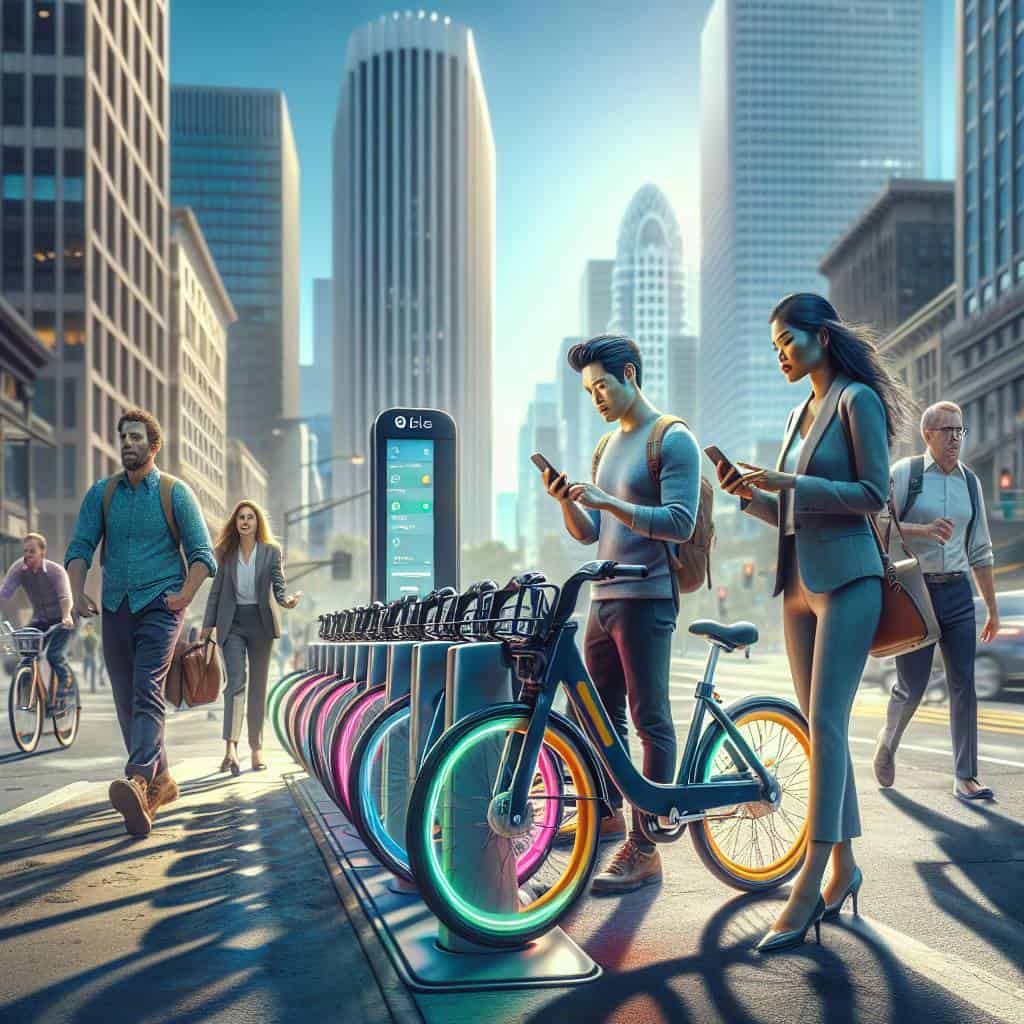
But let’s peel back the layers here. City bike share technology promises the world: instant rental, seamless payment, and real-time tracking that allegedly makes life easier. Yet, if you’ve ever wrestled with these apps like I have, you know there’s more to the story. In this article, we’re diving into the nitty-gritty of these glorified two-wheelers. We’ll explore how these systems work—or don’t—and what they really mean for our urban adventures. Let’s get into the weeds and find out if it’s liberation on wheels or just another tech trap.
Table of Contents
How My Quest for the Perfect Rental App Ended in a Real-Time Wild Goose Chase
I dove headfirst into the world of rental apps, armed with high hopes and a smartphone. The mission? To find the perfect city bike share technology that wouldn’t make me feel like I was biking through quicksand. But here’s the kicker: what I thought would be a quick download-and-go turned into a labyrinthine ordeal. Each app promised seamless rentals, real-time tracking, and effortless payment systems. Yet, each one seemed to unravel into its own unique brand of chaos. One app’s ‘real-time’ was more like ‘real-time-ish’, offering me a location where the bike probably was—last Tuesday. Another insisted on payment methods that felt as outdated as floppy disks.
As I zigzagged across the city, chasing phantom bikes that seemed to vanish as soon as I was within arm’s reach, I realized I was caught in a real-time wild goose chase. Picture this: I’m standing on a busy street corner, app open, watching the tiny icon of a bike mock me with its perpetual dance, two streets over. But wait—a notification! “Bike available nearby!” it chirps, like a siren’s call. I sprint, weave through pedestrians, only to arrive at an empty rack. Poof. Gone. It was as if the bikes were in on a twisted joke, conspiring with the apps to maintain their elusive status. What was meant to be a simple ride turned into a scavenger hunt, minus the treasure. And yet, in this maddening pursuit, there was a strange beauty—a reminder of the unpredictability that technology can’t quite iron out.
Pedaling Through the Data Maze
City bike share apps are like digital breadcrumbs—tracking your every pedal stroke while you pay to sweat your way through the urban jungle.
The Pedal-Powered Epiphany
As I coasted back down the familiar suburban streets, the irony wasn’t lost on me. Here I was, navigating the digital labyrinth of rental apps, payment options, and real-time tracking, only to find myself yearning for the simplicity of my old bike—rusty chain and all. Maybe technology, in its relentless quest for ease, has forgotten the joy of just being in the moment, unencumbered by screens and incessant notifications. The bike share apps had their perks, sure, but nothing beats the spontaneous freedom of a ride where I decide the route, not some algorithm.
Yet, there’s a strange beauty in it all. In dissecting these apps, I’ve realized they mirror our need to connect and move, albeit through a digital lens. And while they might never replace the thrill of a carefree ride, they do offer a glimpse into our future—a future where the lines between freedom and control, spontaneity and structure, are constantly blurred. Maybe that’s the real journey: finding balance in a world that’s always on the brink of the next ‘big’ tech revelation. But for now, I’ll stick to my trusty bike, where the only thing tracking me is the wind at my back.
