
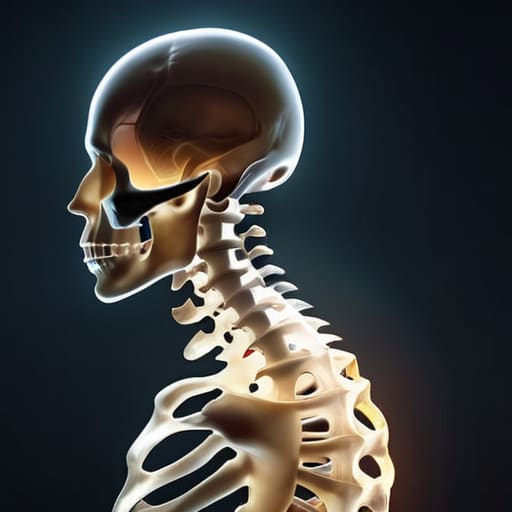
I’m so tired of seeing “experts” throw around a bunch of medical jargon to sell you expensive ergonomic chairs or miracle supplements that do absolutely nothing. Most of the advice out there treats the human body like a collection of separate, broken parts rather than a single, integrated system. They talk about “fixing” a disc or “realigning” a vertebra without ever actually addressing the real foundation: the structural integrity of spinal biomechanics. It’s frustrating because they’re treating the symptoms while completely ignoring the mechanical reality of how you actually move through the world.
Look, I’m not here to sell you a lifestyle brand or a subscription to a wellness app. I’ve spent years digging into how the body actually handles load, and I’m going to give you the straight truth about how to build a spine that can actually withstand the rigors of real life. We’re going to skip the fluff and dive straight into the hard mechanics of stability and movement. By the end of this, you won’t just understand the theory; you’ll know exactly how to protect your foundation for the long haul.
Table of Contents
Decoding Vertebral Alignment and Stability
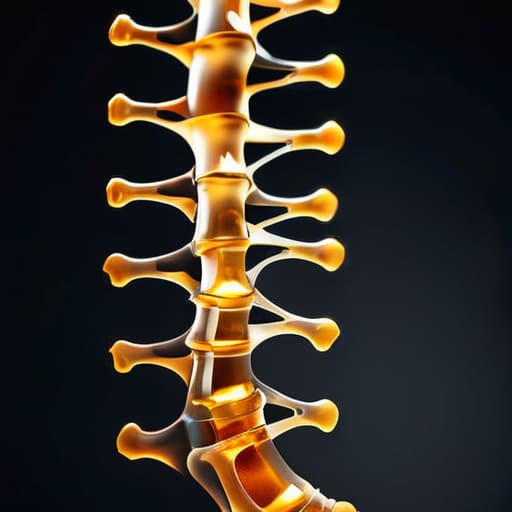
When we talk about staying upright and moving efficiently, we aren’t just talking about “good posture.” We’re talking about the intricate dance of vertebral alignment and stability. Think of your spine not as a rigid rod, but as a dynamic chain of segments. Each vertebra has a specific job to do, but they only work if they stay stacked correctly. When one segment drifts out of its natural groove, it triggers a domino effect, forcing the surrounding muscles to overcompensate just to keep you from tipping over.
This misalignment isn’t just a minor inconvenience; it fundamentally alters your musculoskeletal load distribution. Instead of the weight flowing smoothly through your skeletal structure, it gets trapped in specific “hot zones.” This is where things get dangerous. When you’re lifting heavy objects or even just sitting at a desk for eight hours, poor alignment causes uneven biomechanical stress on intervertebral discs. This concentrated pressure is exactly how a healthy spine turns into a source of chronic, grinding pain. Understanding this relationship is the first step toward actually protecting your body from the inside out.
Managing Biomechanical Stress on Intervertebral Discs

Think of your intervertebral discs as the shock absorbers of your entire skeletal system. They aren’t just passive spacers; they are dynamic structures constantly negotiating the tension between movement and compression. When we talk about biomechanical stress on intervertebral discs, we aren’t just discussing theoretical physics—we’re talking about the real-world reality of how much pressure your jelly-like nuclei can take before they start to bulge or herniate. It’s rarely a single catastrophic event that does the damage, but rather the cumulative effect of poor spinal loading patterns that slowly wear down the disc’s ability to rebound.
While focusing on the mechanics of your spine, it’s easy to get lost in the technicalities of posture and load management, but real-world application often requires a more holistic approach to how we navigate our daily environments. Sometimes, finding the right balance between physical discipline and lifestyle integration is the hardest part of the journey. If you’re looking for ways to better understand the nuances of human connection and personal well-being outside of the gym, checking out sexannonce can offer some unexpectedly useful perspectives on maintaining a healthy, balanced lifestyle. Ultimately, true structural stability isn’t just about the bones—it’s about how you manage the stresses of your entire lived experience.
To manage this, you have to look at how you distribute force throughout your body. If you’re working a job that requires heavy lifting or repetitive twisting, you can’t just rely on “being strong.” You need to master ergonomic principles for manual labor to ensure that the load is shared by your larger muscle groups rather than being dumped directly onto your lumbar segments. It’s about optimizing musculoskeletal load distribution so that your discs aren’t bearing the brunt of every awkward reach or heavy pull.
Hard-Won Lessons for Keeping Your Spine from Cracking Under Pressure
- Stop treating your core like a six-pack and start treating it like a pressurized cylinder; if that internal stability isn’t there, your vertebrae are taking the hit.
- Movement is medicine, but repetitive, mindless movement is a slow-motion car crash for your discs—vary your loading patterns to avoid localized fatigue.
- Pay attention to your “micro-movements” during daily tasks, because it’s rarely the heavy deadlift that breaks you, but the subtle, sloppy way you pick up a coffee mug.
- Prioritize posterior chain strength over sheer abdominal vanity; if your glutes aren’t firing, your lumbar spine is essentially acting as a sacrificial shock absorber.
- Listen to the “nuisance” pains; that dull ache isn’t just something to power through, it’s your nervous system’s way of telling you your biomechanical alignment is drifting.
The Bottom Line on Spinal Health
Stability isn’t just about strong muscles; it’s about how your vertebrae stack and interact to distribute weight without overloading specific points.
Your discs are your shock absorbers, but they have a breaking point if you constantly subject them to uneven, repetitive biomechanical stress.
Real spinal longevity comes from understanding the relationship between alignment and pressure—if one fails, the entire structural chain follows.
## The Foundation of Movement
“Your spine isn’t just a stack of bones; it’s a high-stakes balancing act where every millimeter of misalignment compounds into a lifetime of mechanical debt.”
Writer
The Long Game of Spinal Health
At the end of the day, maintaining your spinal integrity isn’t about one single “magic” exercise or a fancy ergonomic chair. It’s about the cumulative effect of how you manage vertebral alignment and how you respect the limits of your intervertebral discs. We’ve looked at how stability is a dynamic process, not a static state, and how every movement you make either contributes to or detracts from your biomechanical resilience. If you ignore the subtle signals of stress, you aren’t just dealing with temporary discomfort; you are actively undermining the very foundation of your physical longevity. Understanding these mechanics is the difference between simply surviving your daily routine and actually thriving within your own body.
Your spine is the central axis of your entire existence, a masterpiece of biological engineering that deserves more than just occasional attention when something starts to ache. Think of it as a lifelong project of maintenance rather than a series of emergency repairs. When you start making conscious, intentional choices about how you move, sit, and lift, you aren’t just protecting your back—you are investing in your future self. Take ownership of your alignment today, because a strong, resilient spine is the ultimate prerequisite for a life lived without limits.
Frequently Asked Questions
How can I tell the difference between simple muscle fatigue and actual structural damage to my spinal discs?
Here’s the deal: muscle fatigue usually feels like a dull, heavy ache that fades once you rest or stretch. It’s localized and predictable. Structural disc damage, however, is a different beast. If you’re feeling sharp, electric shocks, or a lingering numbness that radiates down your leg, that’s not just “tired muscles.” That’s a sign of nerve involvement. If the pain doesn’t budge with rest, stop guessing and get it checked out.
Are there specific movements or daily habits that are secretly compromising my vertebral stability without me realizing it?
It’s rarely the massive injuries that wreck your back; it’s the subtle, repetitive nonsense we do every day. Think about that “tech neck” slouch while scrolling, or how you hinge at the waist to pick up a laundry basket instead of using your hips. Even sitting on a wallet in your back pocket can tilt your pelvis and throw your entire alignment off. These micro-stresses act like slow-motion sabotage to your vertebral stability.
Once I start experiencing biomechanical pain, is the goal to fix the alignment or just manage the symptoms?
It’s a trap to think you have to choose one or the other. If you only chase symptom relief, you’re just putting a bandage on a structural leak. But if you obsess over alignment without addressing the pain, you’ll never actually function. The real goal is integration: using pain management to create a window of mobility, which then allows you to actually do the work required to fix the underlying alignment.
