
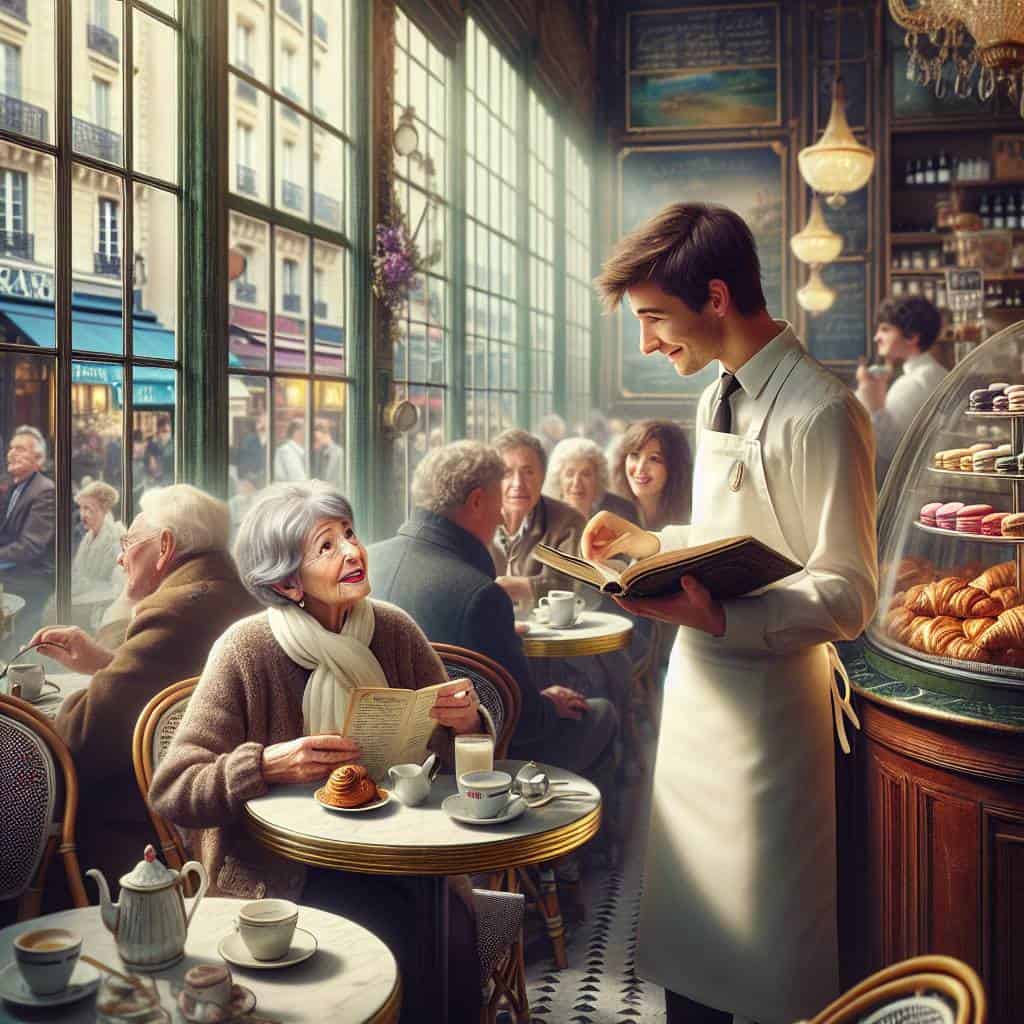
I once found myself in a Parisian café, armed with a phrasebook so worn it looked like it had survived a war. Yet, when the waiter approached, my meticulously rehearsed “Je voudrais un café” came out as something more akin to a toddler’s babble. The waiter’s eyebrow raised higher than the Eiffel Tower. It was in that moment, with my cheeks redder than the Bordeaux I had yet to order, that I realized: language learning for travelers is less about the perfect accent and more about embracing the inevitable chaos.
So, let’s cut through the nonsense. You don’t need another list of “top phrases” to memorize. What you need is a strategy to navigate the linguistic minefield of travel with some semblance of dignity. From the false security of phrasebooks to the digital crutch of translation apps, I’ll lay out the raw, unpolished truth about how to transform your blunders into breakthroughs. Because at the end of the day, it’s not about speaking perfectly—it’s about making connections and collecting stories that are worth more than any souvenir.
Table of Contents
Why That Language App Ruined My Day in Paris
Ah, Paris. The city of lights, love, and linguistic nightmares. I arrived armed with a language app, convinced it was my ticket to effortlessly gliding through conversations with charming Parisians. Spoiler alert: it wasn’t. Instead, it turned into a digital mess that nearly had me running for the next flight home. Picture this: I’m sitting in a quaint café, the kind where the tables are impossibly tiny, and the air is thick with cigarette smoke. I pull out my trusty app to order something vaguely French. But the app’s translation for “croissant and coffee” might as well have been in Klingon. The waiter stared at me, unimpressed, as I fumbled with my phone, trying to make sense of the garbled phrases it insisted were perfectly accurate.
The app promised seamless translations, but what it delivered was a cacophony of mispronunciations and awkward silences. My day in Paris felt like an episode of a reality show where I’m the unwitting contestant. Instead of relying on this digital disaster, I should’ve stuck to the basics: a trusty phrasebook and a dash of humility. Sure, I butchered ‘bonjour’ a few times, but at least the locals appreciated the effort. The app’s robotic voice lacked the nuance of human interaction, stripping away the charm of learning through real-life practice. There’s something to be said for the old-school methods—fumbling through a phrasebook or making a fool of yourself with hand gestures. It’s messy, genuine, and, dare I say, a hell of a lot more rewarding than trusting an app to be your linguistic savior.
Lost in Translation: A Beautiful Mess
In the end, language learning for travelers isn’t about mastering the art of conjugating verbs or achieving a native accent. It’s about embracing the chaos of human interaction when you’re a fish out of water. That app might fail you when it counts, and the phrasebook will gather dust at the bottom of your bag like a forgotten souvenir. But there’s a raw beauty in the muddled sentences, the awkward laughs, and the genuine connections made despite the linguistic mess.
So, my journey with language learning has taught me one unvarnished truth: it’s not about the perfect pronunciation but the stories you collect along the way. Every botched phrase and confused look is a reminder that life is richer when you step outside your comfort zone. Here’s to butchering languages and surviving with a smile—because at the end of the day, that’s the real adventure.
