
Ever feel like you’ve accidentally invited a nosy friend into your life—one who insists on keeping track of your every emotional hiccup? I did. It started innocently enough, a curious download to see if a mood tracking app could actually help me navigate the murky waters of my suburban ennui. But soon, I was getting pinged with relentless reminders to log my mood: “Hey, Noah! Feeling existential dread yet?” It was like having a digital therapist with a penchant for passive-aggressive nudges. All of this under the guise of self-improvement, while my data was probably being auctioned off to some shadowy figure in a dimly lit room.
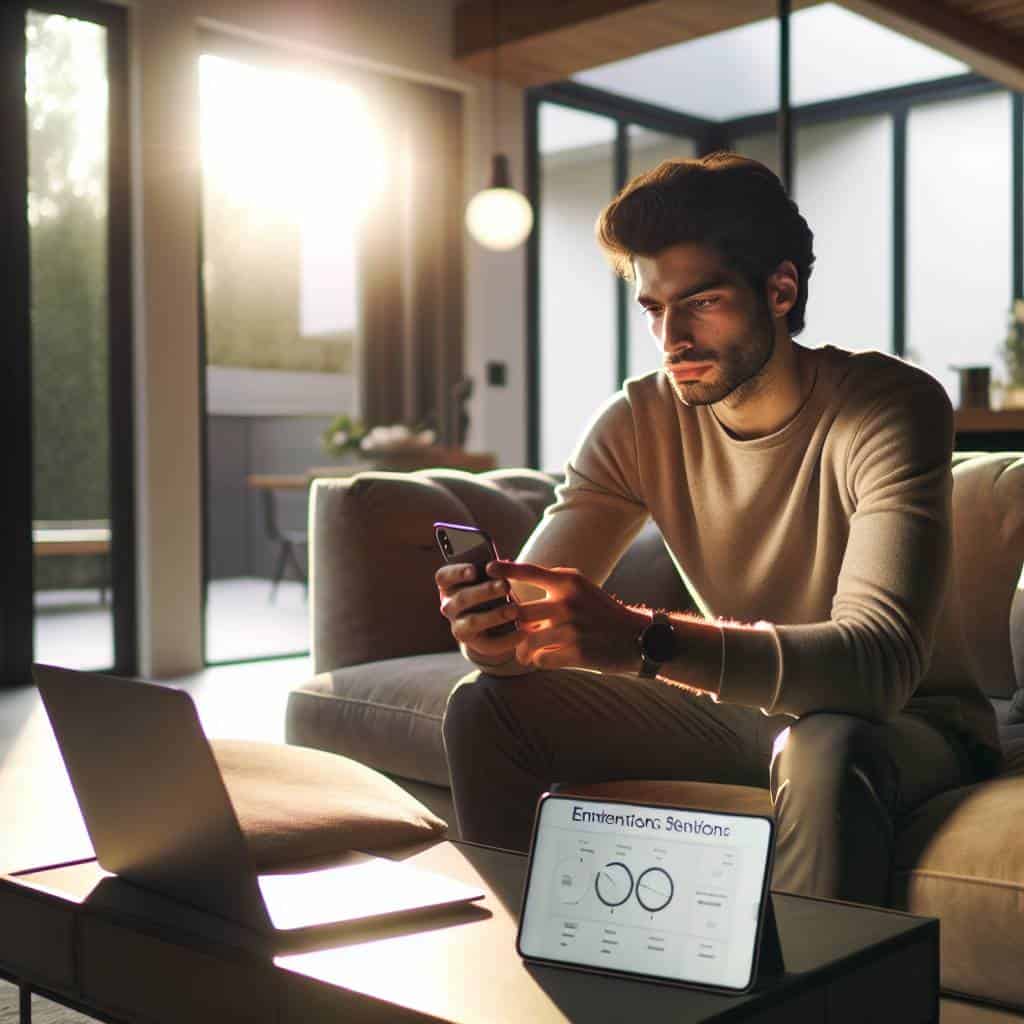
So, here’s the deal. If you’ve ever wondered what it’s like to surrender your emotional landscape to a piece of software—or if you’re just fascinated by the idea of analyzing your own misery—stick around. We’ll dive into the world of mood tracking apps, exploring not just the supposed benefits but also the privacy pitfalls and the unsettling trend of turning our mental states into data points. And maybe, just maybe, we’ll find a way to keep our sanity intact while the apps do their best to dissect it.
Table of Contents
How the Reminder to Record My Mood Became My Least Favorite Notification
The irony of it all: I downloaded a mood tracking app to feel more in control, yet here I am, dreading that daily ping—a digital nudge that feels more like a jab. At first, it seemed innocent, even helpful. A simple reminder to jot down my emotional state, like a modern-day diary entry. But soon, it felt like an interrogation. “How are you feeling today?” it chirps, as if it cares, as if it’s not just another line of code doing its job. And there I am, staring at my phone, wondering how to translate the complexity of my mood into a few taps on a screen. The app promised trend analysis and self-awareness, but it started feeling more like a pesky obligation, another item on my endless to-do list.
The problem isn’t just the reminder itself; it’s what it represents. A constant demand to quantify my emotions as if they were stocks on Wall Street. The app claims to offer insights, but sometimes, I feel like I’m being reduced to data points in a spreadsheet. And let’s not even get started on privacy. Who’s really peeking behind the curtain? The app’s soothing interface masks a more intrusive reality—my moods sold to advertisers like a commodity. It’s the paradox of technology in our lives: tools designed to connect us to ourselves often end up alienating us from our own experiences. So, there it is, the ping I once welcomed now a reminder of the digital age’s double-edged sword.
The Unseen Cost of Emotional Surveillance
In the age of digital diaries disguised as mood trackers, we trade our privacy for graphs and charts that promise understanding but deliver little more than data-driven déjà vu.
The Irony of Being Tracked Yet Unseen
The whole saga of mood tracking apps leaves me with a strange mix of amusement and exasperation. It’s like inviting a nosy neighbor into your home, only to find they’ve set up camp in your living room. Sure, they bring pie, but they also rifle through your drawers when you’re not looking. And just like that, these apps record every emotional hiccup, charting trends and patterns with clinical detachment. They promise insights and self-awareness but often leave you feeling more like a lab rat running in circles than a human on a journey of self-discovery.
Yet, beneath the surface-level frustration lies a deeper irony. These apps, with their incessant reminders and trend analysis, claim to know us better than we know ourselves. They dissect our moods, packaging them into neat little graphs and selling the data to faceless corporations. But in the quest for understanding, they overlook the most crucial element—empathy. The raw, unfiltered essence of being human gets lost in translation. So, as I wave goodbye to my digital overlords, I find solace in the messy, unpredictable reality of my own emotions. Because at the end of the day, I’d rather be seen than tracked.
