
I remember the first time I signed up for a cultural volunteering trip, lured by the glossy promise of bridging worlds and making a difference. There I was, a starry-eyed suburbanite, armed with nothing but a rusty high school Spanish and an unwavering belief in my own good intentions. It didn’t take long for the romantic sheen to wear off, replaced by the stark reality of being yet another well-meaning but clueless foreigner, fumbling through language faux pas and cultural missteps. I spent more time practicing my charades skills than any meaningful dialogue, and often found myself wondering if my presence was more of a hindrance than a help.
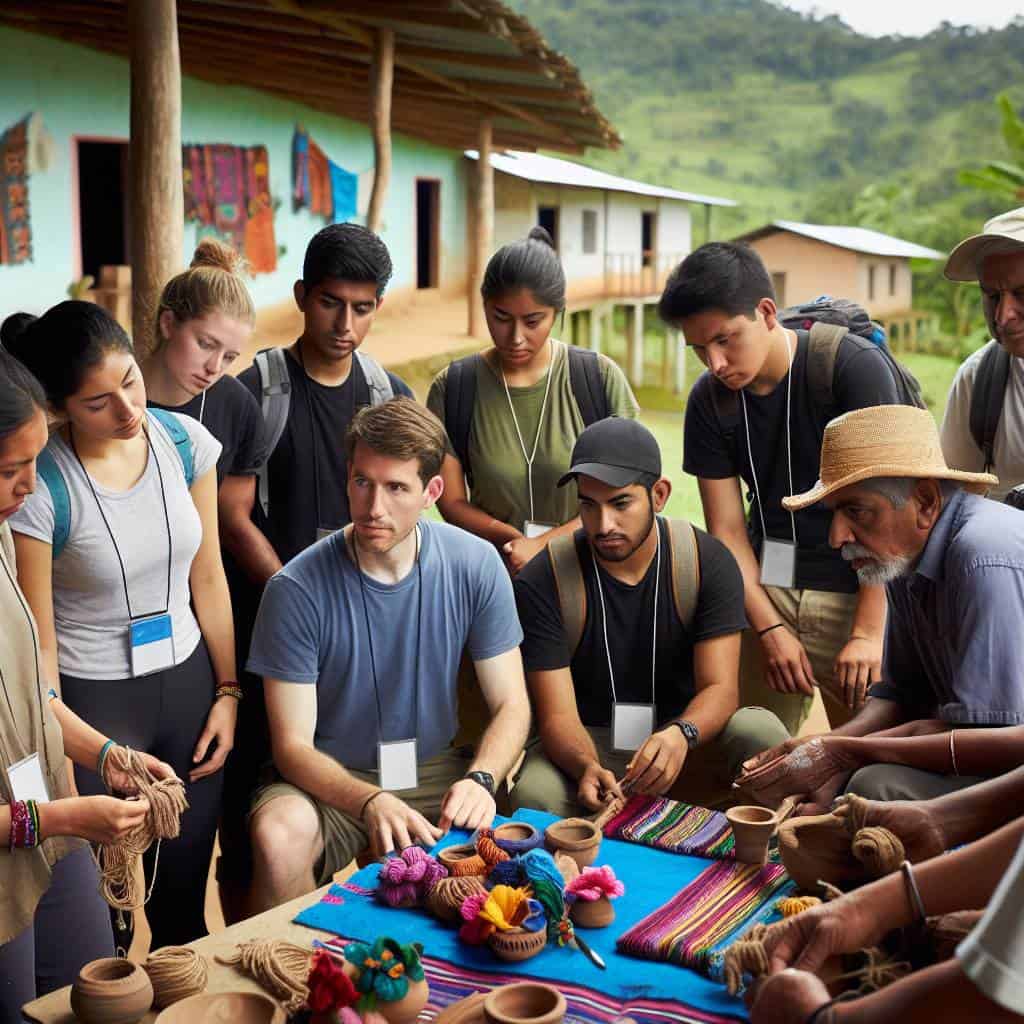
But let’s not get all doom and gloom just yet. This article isn’t just a cautionary tale of misguided altruism. It’s a deep dive into the tangled web of cultural volunteering—the good, the bad, and the laughably absurd. I’ll share stories of navigating local NGOs, the awkward dance of language practice, and the elusive quest to genuinely give back without stepping on too many toes. So, dear reader, buckle up and join me on this journey as we peel back the platitudes and dig into the gritty, often overlooked realities of volunteering abroad.
Table of Contents
When ‘Giving Back’ Means Learning to Order Coffee in Seven Languages
So, you’ve decided to trade the comfy couch for a world where “giving back” means more than just ticking off a to-do list of good deeds. Imagine this: you’re at a bustling café in a little corner of Vietnam, armed with nothing but a smile and a phrasebook. Your mission? To order a cup of coffee in perfect Vietnamese. It sounds simple, right? But then you realize that the words you’ve been practicing don’t quite match the melody of the local dialect. Suddenly, you’re not just a traveler; you’re an amateur linguist, a cultural exchange student, and a caffeine-deprived adventurer all rolled into one.
The beauty of volunteering in a foreign land is that it forces you to engage with the world on its own terms. Language isn’t just a tool—it’s an open door to a deeper connection with the people you’re trying to help. Local NGOs aren’t just organizations; they’re the gatekeepers to understanding the heartbeat of a place. When you fumble through ordering that coffee, you’re not just practicing pronunciation. You’re building a bridge, one awkward interaction at a time. Each mispronounced word is a testament to your commitment to step outside your comfort zone, to appreciate the nuances of a culture, and to give back not just with your hands, but with your heart.
And let’s be real, there’s something hilariously humbling about getting your order wrong seven times in seven different languages. But that’s the point—you learn that giving back is less about grand gestures and more about these everyday encounters that leave you both exasperated and exhilarated. It’s about accepting that you’re not the savior swooping in to fix everything, but a partner in a global dance where every misstep is part of the story. So, the next time you’re abroad, don’t just aim to volunteer; aim to be a student of the world. Order that coffee, stumble through those syllables, and know that in the end, you’re not just giving back—you’re also receiving a rich tapestry of experiences in return.
The Unseen Echoes of Giving Back
Reflecting on my whirlwind of cultural volunteering, I realize it’s less about heroism and more about the quiet, shared humanity. It’s in those moments when you’re fumbling through a conversation with a local, desperately trying to order a simple coffee but ending up with an unexpected lesson in humility. The NGOs, with their labyrinthine processes, teach you patience—an unadvertised skill in the travel brochures. And while I thought I was giving back, maybe I was just peeling back layers of my own naivety.
In the end, cultural volunteering isn’t about saving the world. It’s about finding the stories hidden in the mundane, the ones that don’t make it to your Instagram feed. It’s about the unexpected bond formed over a shared laugh about your terrible pronunciation or the unspoken understanding with someone whose life seems light-years from your own. I didn’t come back with a new language fluency or a medal of altruism. I came back with a deeper appreciation for the overlooked, the mispronounced, and the messy beauty of genuine human connection. That’s the real adventure.
