
I once attempted to cultivate a garden, and the only thing I successfully grew was my own sense of defeat. The dream was to create a tranquil space, a slice of Eden in my otherwise chaotic life. But reality hit harder than a summer drought. I found myself tangled in a mess of weeds and regrets—my weekends lost to battling mother nature’s relentless persistence. It was clear: I was no green thumb. I was more like a reluctant gardener who preferred the company of a good book and a hammock. That, my friends, is when I realized that maybe, just maybe, low-maintenance landscaping was the lifeline I desperately needed.
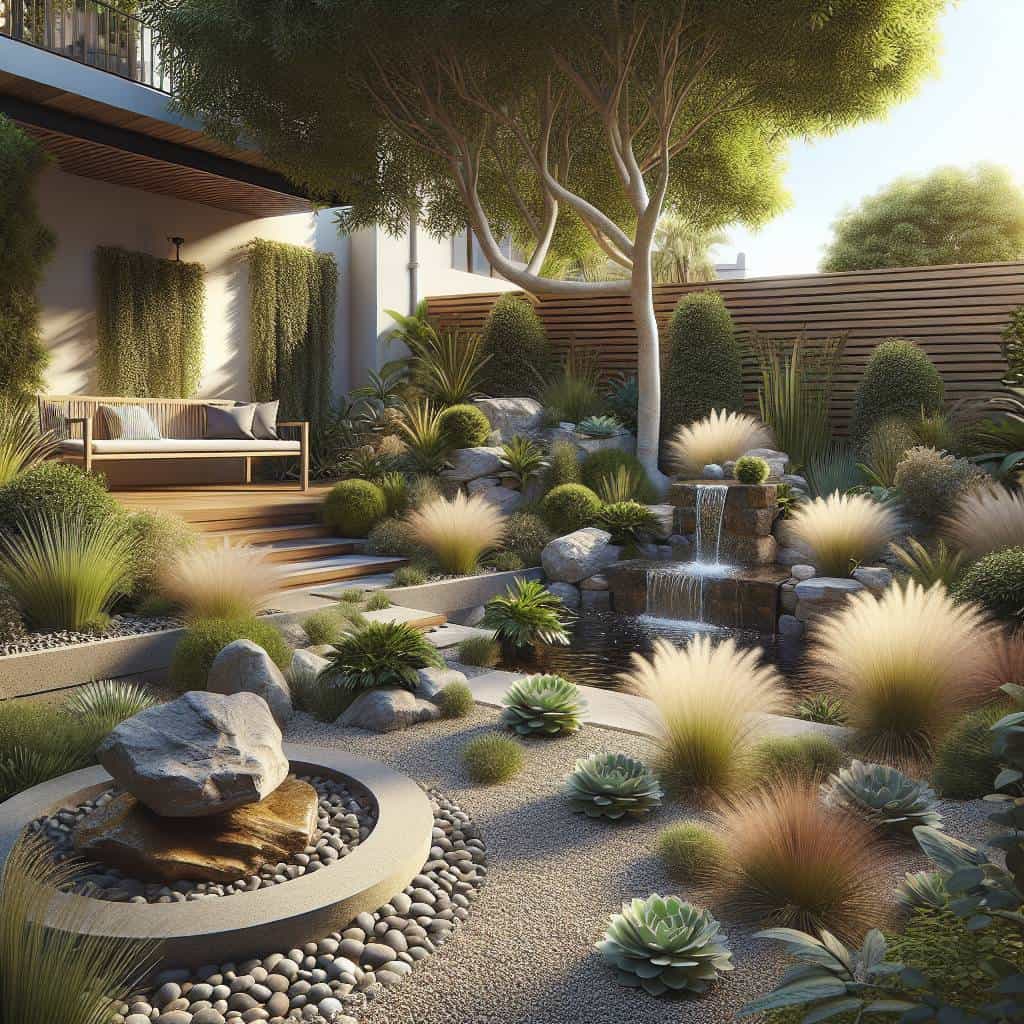
So, here’s the deal. If you’re like me—someone who’d rather admire a garden from a distance than be enslaved by it—this article might just be your salvation. We’re diving into the world of native plants that practically thrive on neglect, the art of mulch that shields your soil like a silent guardian, and the wonders of drip irrigation systems that do all the work while you sip iced tea. Forget the cookie-cutter advice you’ve heard a million times. We’re digging deeper, unearthing the little secrets that could transform your outdoor space into a sanctuary without demanding your soul in return.
Table of Contents
How My Backyard Turned Into a Native Wonderland (Without Me Lifting a Finger)
Imagine this: a stretch of bland, uninspired lawn, the kind that makes you sigh more than smile. That was my backyard, a sad patch of green that seemed to resist every attempt at improvement. It wasn’t until I embraced the wild dance of nature that it transformed into a native wonderland—all without me lifting a finger. How, you ask? By stepping back and letting the local ecosystem do the heavy lifting. You see, native plants have a way of finding their place if you just give them room to breathe. They’re like those friends who don’t need constant attention but are there when you need them most. As I watched, my backyard slowly filled with the resilient charm of wildflowers and hardy shrubs that belonged there all along.
The secret sauce? It wasn’t some arcane gardening trick but a simple mantra: let go and let grow. I ditched the high-maintenance grasses that guzzled water like a dehydrated camel and welcomed the drought-resistant flora that thrived on the cool embrace of morning dew. Mulch became my ally, a humble layer that locked in moisture and whispered promises of weed suppression. And let’s not forget the unsung hero, drip irrigation—an efficient marvel that kept the thirsty roots quenched without turning my yard into a swamp.
Before long, my little slice of earth was buzzing with life. Birds and bees, drawn by the native blooms, turned it into a sanctuary I never imagined. It was like witnessing a symphony of nature, each creature playing its part in perfect harmony. All it took was a change in perspective and a willingness to let nature take the reins. And there it was, my once-boring backyard, now a vibrant testament to the beauty of letting go.
Whispers from the Garden Bed
Embrace the wild logic of native plants and let mulch be your silent partner. Drip irrigation? It’s the gentle rain your garden deserves.
The Art of Letting Nature Take the Lead
Standing in my backyard, I sometimes feel like an accidental artist. The kind who stumbled upon a masterpiece by simply stepping back and letting the canvas do the talking. The native plants have become the storytellers, whispering tales of survival and resilience. Each with its own quirks—a splash of color here, a stubborn defiance against the wind there. And me? I’m just the spectator, sipping my coffee, marveling at how a little mulch and a drip of irrigation can create such harmony.
It’s humbling, really. This whole journey taught me that sometimes the best things happen when you loosen your grip. Nature knows what it’s doing far better than I ever could. There’s a beauty in the chaos, an elegance in the wild order of things. So here’s to embracing the mess, to finding joy in the unexpected symphony of a garden that thrives in effortless rebellion. Maybe it’s not just about landscaping. Maybe it’s about life, too. Letting go and trusting the process. Because sometimes, that’s all it takes to turn chaos into beauty.
