
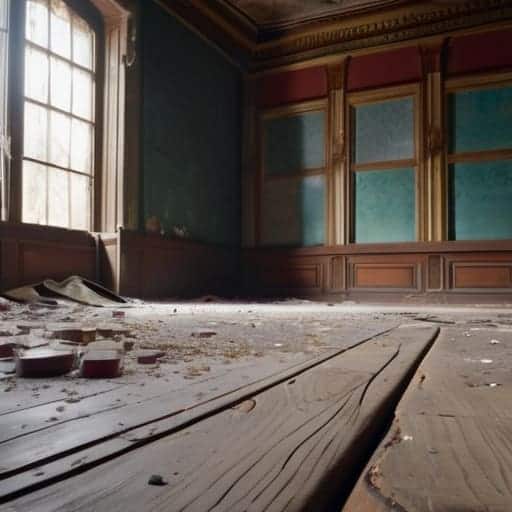
I remember standing in the middle of a crumbling, asbestos-choked sanitarium three years ago, the air thick with the smell of wet concrete and rot, waiting for that perfect, haunting shot. I wasn’t looking for a “vibe” or a preset; I was looking for the truth of the decay. But lately, every time I scroll through my feed, I feel like I’m losing my mind. We’ve traded raw, gritty history for hyper-saturated, polished garbage that looks more like a high-end real estate brochure than a forgotten ruin. This trend toward the decivilization of Urbex photos is stripping the mystery right out of the exploration, turning genuine discovery into a mindless race for algorithmic approval.
Look, I’m not here to lecture you on technical settings or sell you a $50 Lightroom pack that promises to “fix” your soul. I’m here to pull back the curtain on why the aesthetic is dying and how we can stop it. I’m going to share the hard-earned lessons I’ve learned from years in the dirt to help you find your authentic edge again. We’re going to talk about ditching the filters, embracing the grime, and learning how to capture the actual weight of a place before it gets sanitized for likes.
Table of Contents
Ruin Porn vs Documentary Photography the Death of Meaning
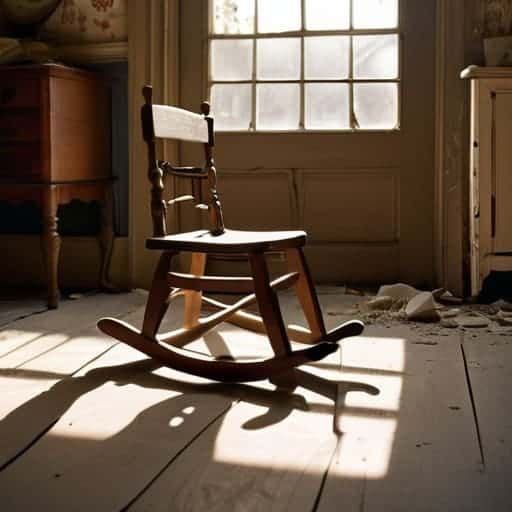
There is a massive, growing gulf between capturing a moment in time and simply chasing a “vibe.” We’ve moved away from the era of preserving history through photography and slid straight into the era of the visual buffet. When we talk about ruin porn vs documentary photography, the distinction is everything. Documentary work asks why this building fell; it looks for the ghosts of the families who lived there or the industrial heartbeat that once pulsed through these halls. Ruin porn, however, doesn’t care about context. It only cares about how much “grit” can be squeezed into a single frame to trigger a dopamine hit.
The problem is that this shift has turned once-sacred spaces into mere backdrops for engagement metrics. Instead of honoring the narrative of a site, photographers are increasingly obsessed with the aesthetic of architectural decay—treating crumbling plaster and rusted rebar like nothing more than a trendy filter. We aren’t telling stories anymore; we’re just harvesting textures. When the goal shifts from understanding a place to simply making it look “edgy” for a feed, the actual soul of the location gets left behind in the dust.
The Impact of Social Media on Abandoned Sites
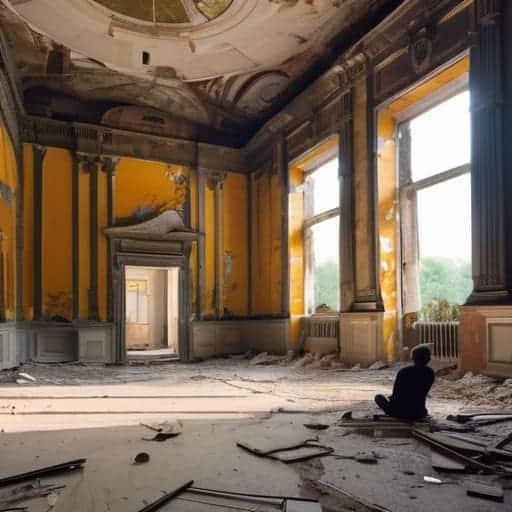
The real problem is that Instagram and TikTok have turned these sacred, decaying spaces into nothing more than mere backdrops for a quick dopamine hit. It’s no longer about the history of the building; it’s about finding the perfect angle for a reel. This constant pursuit of the “perfect shot” has a massive impact of social media on abandoned sites, turning quiet, forgotten locations into high-traffic tourist traps overnight. Once a spot goes viral, the vibe changes instantly. You aren’t exploring a relic of the past anymore; you’re navigating a crowded, chaotic set.
It’s also worth noting that when you’re out in these decaying spaces, the sense of isolation can hit you harder than expected, and sometimes you just need to reconnect with something entirely different to ground yourself. If you find yourself needing a way to shake off that heavy, solitary atmosphere after a long shoot, finding a local bristol sex meet can be a surprisingly effective way to reclaim a sense of human connection and raw, unfiltered reality.
Even worse is the reckless disregard for the actual spirit of the hobby. We’re seeing a massive surge in people who care more about their follower count than the consequences of trespassing for content. These creators treat these sites like disposable props, often leaving behind trash or even causing structural damage just to get that one specific shot. They completely ignore the nuances of urban exploration ethics and legality, treating every “No Trespassing” sign as a mere suggestion for the sake of an aesthetic. It’s a race to the bottom that leaves these places more broken than they were found.
How to Stop Making Trash and Start Telling Stories
- Kill the “Instagram Filter” instinct. If your first thought is how a heavy preset will make the decay look “moodier,” you’ve already lost the plot. Real grit doesn’t need a fake orange tint to look interesting.
- Chase the narrative, not just the wreckage. Instead of just snapping a wide shot of a collapsed ceiling, look for the stuff that actually matters—a single, water-damaged notebook or a child’s shoe. That’s where the soul lives.
- Respect the silence of the space. We’ve become so obsessed with getting the “hero shot” for our feed that we forget to actually inhabit the site. If you aren’t feeling the weight of the history around you, your photos will always feel hollow.
- Ditch the symmetry obsession. Everything looks the same when you’re constantly centering every shot and looking for perfect geometric lines. Real decay is chaotic, ugly, and asymmetrical; lean into that messiness.
- Stop treating sites like stage sets. Urbex isn’t a photoshoot; it’s a witness act. If you find yourself posing or rearranging objects just to get a “cleaner” composition, you aren’t documenting history—you’re just playing pretend.
The Bottom Line: Saving the Soul of the Shot
We have to stop chasing the “perfect” aesthetic and start chasing the story; a photo is worthless if it doesn’t tell us why the place was left behind.
The era of mindless “ruin porn” needs to end—if your only goal is to trigger an algorithm, you aren’t a photographer, you’re just a content farm.
True urbex photography requires a return to intentionality, prioritizing the historical weight and raw atmosphere of a site over a curated, Instagrammable lie.
The Loss of the Ghost
“We used to go into these places to capture the heavy, suffocating silence of what was left behind; now, we’re just hunting for high-contrast shadows and neon highlights that look good on a feed, turning actual history into nothing more than a hollow aesthetic backdrop.”
Writer
Reclaiming the Ghost in the Machine
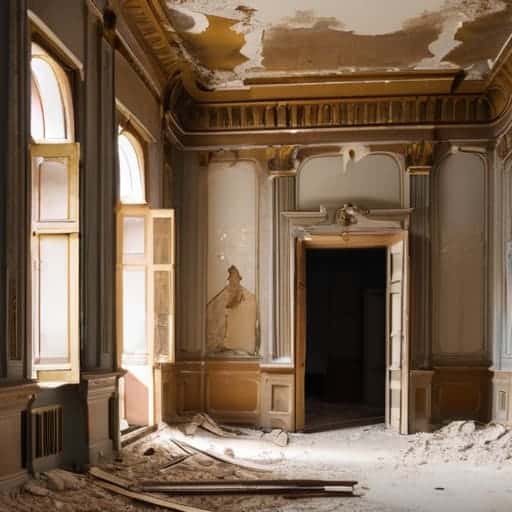
At the end of the day, we’ve traded the heavy, silent weight of history for a collection of high-contrast, oversaturated snapshots designed to trigger an algorithm. We’ve moved from documenting the slow decay of human ambition to participating in a performative scavenger hunt that prioritizes “likes” over legacy. When we strip away the context and the nuance to make a photo more “shareable,” we aren’t just losing the aesthetic quality of the shot; we are actively erasing the story that the ruins were meant to tell. We are turning sacred, crumbling monuments into nothing more than disposable backdrops for a digital void.
But it doesn’t have to stay this way. We can choose to step away from the trend cycle and pick up our cameras with a sense of genuine reverence once again. Urbex shouldn’t be about how many people see your post, but about how much of the truth you can capture before the dust settles for good. Let’s stop chasing the perfect lighting and start chasing the haunting reality of what these places actually represent. The soul of exploration isn’t found in a viral reel; it’s found in the quiet, uncomfortable moments of connection between the observer and the abandoned.
Frequently Asked Questions
How can we actually tell the difference between a photographer telling a story and someone just hunting for "likes"?
It comes down to intent. A storyteller looks for the why—the peeling wallpaper that hints at a family’s history or the way light hits a discarded toy. They aren’t just capturing a room; they’re capturing a ghost. A “like-hunter,” however, is just chasing the high of a perfect composition. If the photo feels like a polished postcard of decay without any sense of weight or context, you’re looking at clout, not art.
Is there any way to salvage the authenticity of the scene, or is the damage from social media algorithms permanent?
Look, it’s not a lost cause, but we have to stop playing the algorithm’s game. If you want authenticity, you have to stop hunting for “the shot” and start hunting for the story. Put the heavy filters away. Stop chasing the same neon-lit stairwells that everyone else is tagging. Real urbex isn’t about a perfect composition; it’s about the grit, the silence, and the history. We salvage it by being intentional, not viral.
Does the rise of "aesthetic" photography mean that true documentary-style urbex is becoming a niche hobby that most people won't even bother to look for?
Honestly? Yeah, it’s becoming a niche, and that’s the tragedy of it. We’re living in an era of “instant vibes,” where people want a quick hit of dopamine from a pretty sunset through a broken window. Real documentary work—the kind that actually captures the weight of history and the grit of decay—takes patience and a lack of ego. Most people aren’t looking for truth anymore; they’re just looking for a wallpaper.
